


Choosing a dog is one of the happiest decisions a household can make, but it is also a commitment that can last well over a decade. Learning how to choose the right dog breed for your lifestyle, rather than simply falling for the first pair of puppy eyes you see, is what separates a smooth first year from a stressful one. The right match depends on your home, your routine, your energy and your budget far more than on which breed looks best in photographs.
This guide walks through the questions that matter most, in the order experienced owners and rescue centres usually ask them. By the end, you should have a clear picture of the type of dog that will genuinely fit the life you already live.
Why Your Lifestyle Matters More Than Looks
Every breed was developed for a purpose. Border collies were bred to work all day in the hills, pugs were bred to sit on laps, and terriers were bred to chase things with cheerful determination. Those instincts do not disappear because a dog now lives in a semi-detached house in Leeds. When people choose the right dog breed, they are really choosing a set of built-in behaviours and needs, and then deciding honestly whether their daily life can meet them.
A mismatch rarely means a bad dog. It usually means a bored, under-exercised or anxious dog whose behaviour becomes hard work for everyone. A matched dog, by contrast, slots into your routine in a way that feels almost easy.
Start With Size and Space
Size is the simplest filter. A large, powerful breed needs room to move, a car it can travel in comfortably and an owner who can physically handle it on the lead. Smaller breeds are often better suited to flats and city living, although small does not automatically mean calm or quiet.
Think about your garden, if you have one, and how secure it is. Think about stairs, especially with puppies and older dogs. Think, too, about who else uses the space: visiting grandchildren, other pets and nervous neighbours all change what “suitable” looks like.
Match the Breed’s Energy to Your Own
Energy level is where most mismatches happen. A young springer spaniel or husky needs serious daily exercise and mental work in all weathers. If your idea of a perfect Sunday is a slow morning and a short stroll, a lower-energy breed will make both of you happier.
Be honest about your real routine, not the routine you hope a dog will inspire. Many people do become more active with a dog, and that is a genuine benefit, but it is safer to choose a breed that fits the life you have now. Working breeds also need jobs to do: puzzle feeders, training games and scent work matter as much as walks.
Grooming, Shedding and Upkeep
Coat care varies enormously. Some breeds need professional grooming every few weeks, which is a real ongoing cost, while others need little more than a weekly brush. Heavy shedders will redecorate your clothes and carpets whether you plan for it or not.
Plenty of people prefer a lower-upkeep approach in other parts of life too, favouring a low-maintenance routine over a complicated one, and the same thinking applies here. If you know you will not keep up with daily brushing, choose a breed whose coat forgives that from the start.
Temperament and Family Fit
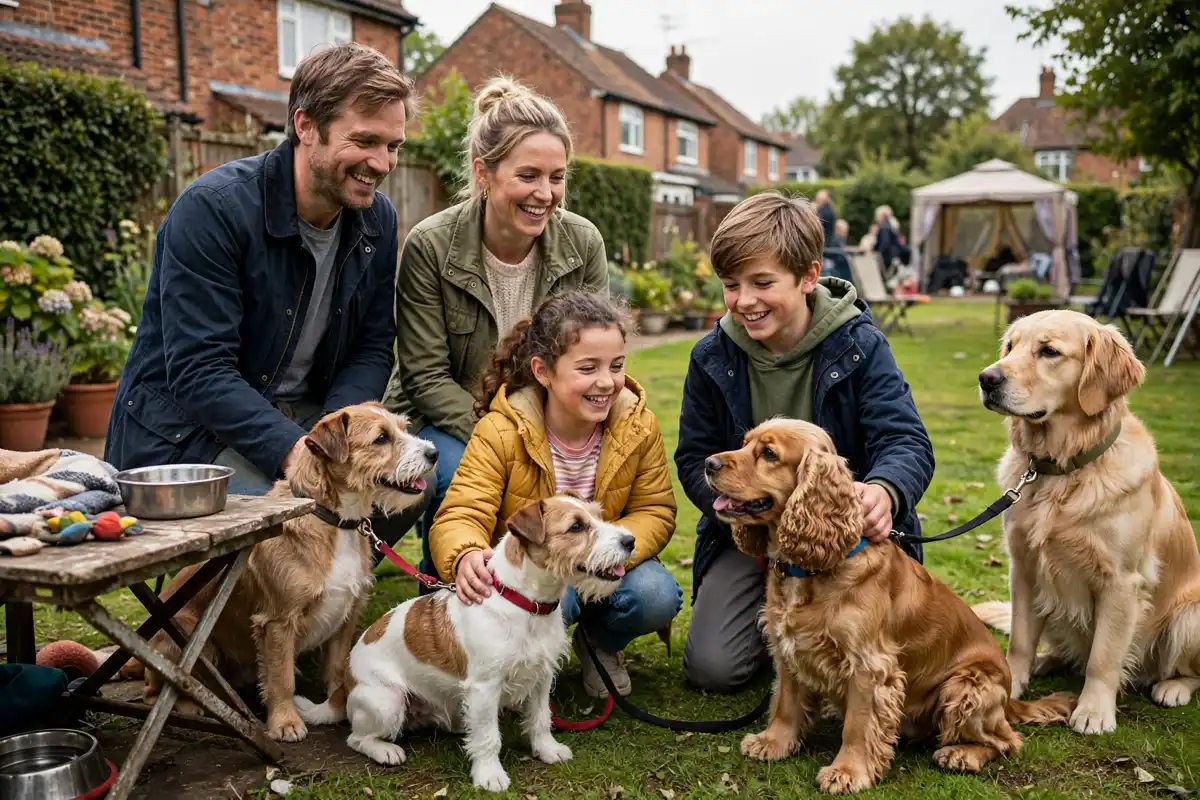
Temperament matters most in homes with children or other animals. Some breeds are famously patient with youngsters; others are better suited to calm, adult households. Individual dogs vary, of course, but breed tendencies are a sensible starting point.
If you are adopting from a rescue centre, the staff assessment of an individual dog is worth more than any breed generalisation. Spend time with the dog, ask about its history, and be honest about your experience level. First-time owners usually do best with breeds known for being forgiving and eager to please.
The Real Cost of Owning a Dog
Beyond the purchase price or adoption fee, budget for food, insurance, vaccinations, flea and worming treatments, grooming and the occasional unexpected vet bill. Larger breeds cost more to feed and often more to insure. Setting up a monthly amount for pet costs, in the same way you might plan for any other household commitment, prevents nasty surprises later.
It is also worth thinking about holiday care. Boarding kennels and pet sitters add up, and popular dates book out early, so factor cover for your trips into the yearly cost.
Travelling With Your Dog
Most dogs end up travelling by car regularly, whether that is trips to the vet, weekends away or days out. A dog that fits your car, and travels calmly in it, makes life much easier. Before longer journeys it helps to run through the same kind of checks covered in a complete vehicle inspection, and in summer, keeping the car air conditioning working properly matters because dogs overheat quickly and should never be left in a warm parked car.
If you plan to take your dog on holiday, a little preparation goes a long way, much like putting together a thoughtful packing list before you travel: lead, food, water, bedding and familiar toys all help a dog settle somewhere new.
Building Routines That Last
Whichever breed you choose, consistency is what turns a chaotic first month into a calm household. Feeding times, walks, training and rest all work better when they follow a pattern your dog can predict. The principles are similar to building any habit that survives busy weeks, as explored in this guide to habits that actually stick: start small, repeat daily and do not rely on motivation alone.
Short, regular training sessions beat occasional long ones, and every dog in the household should hear the same cues from every person. Puppies and rescues alike relax when the rules stay the same.
Final Questions Before You Decide
Before you choose the right dog breed for your home, ask yourself five things. Can I meet this breed’s exercise needs every single day? Can I afford its food, insurance and grooming for the next ten to fifteen years? Does its size and temperament suit the people and animals already in my home? Do I have a plan for holidays and emergencies? And am I choosing this breed for the life I actually live, rather than the photograph I liked?
If the answer to each question is yes, you are ready. Take your time, meet dogs in person where you can, and let the right match find you. A carefully chosen dog is not just a pet; it becomes part of the rhythm of your home for years to come.