

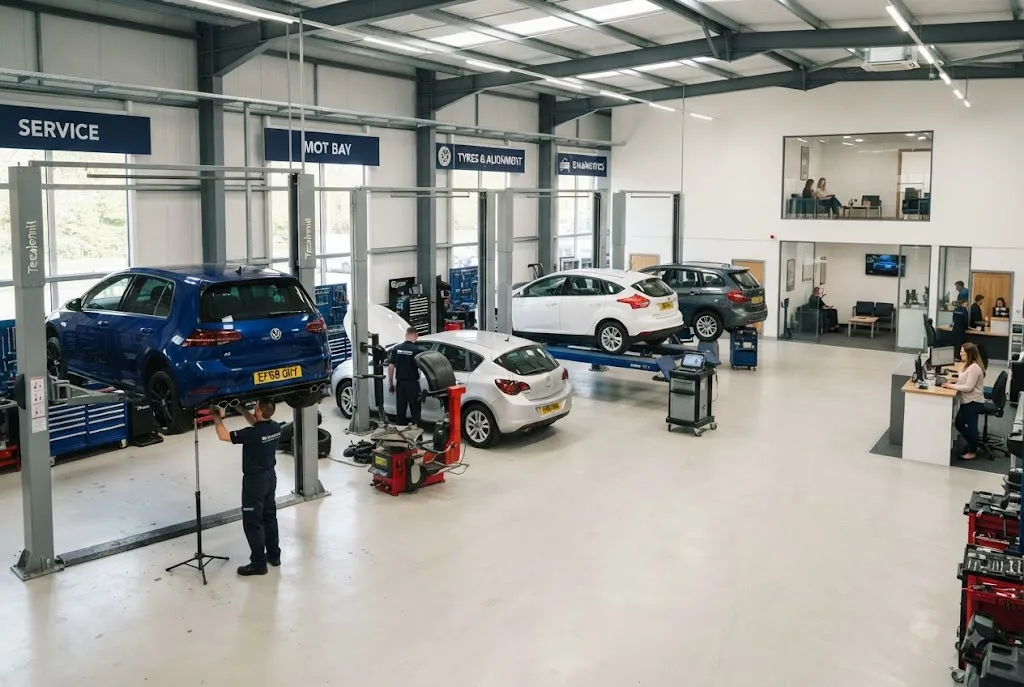
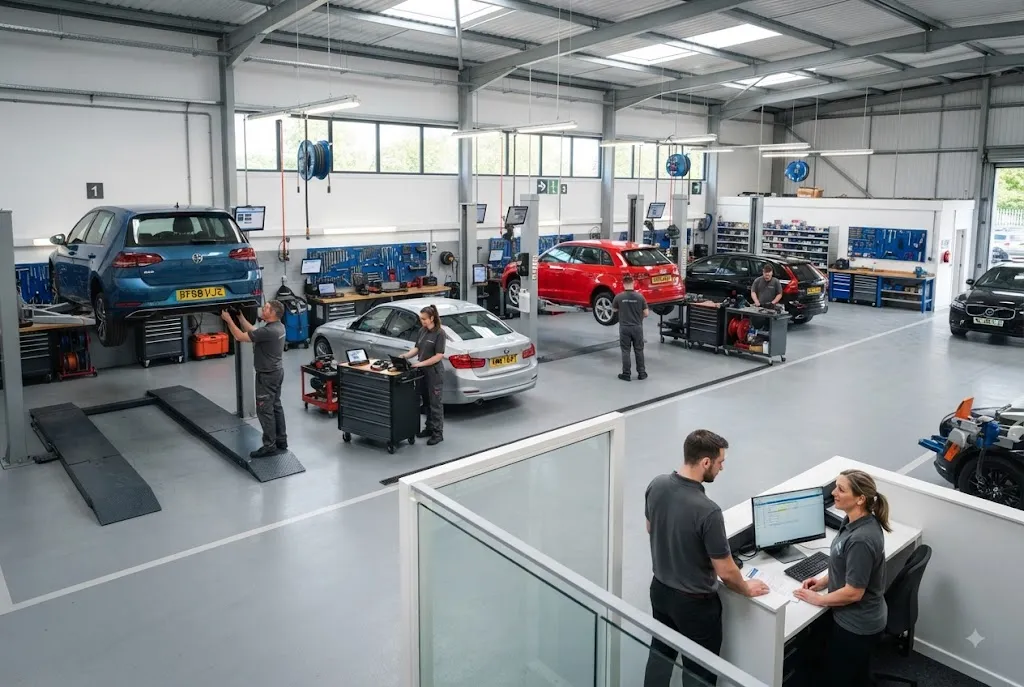
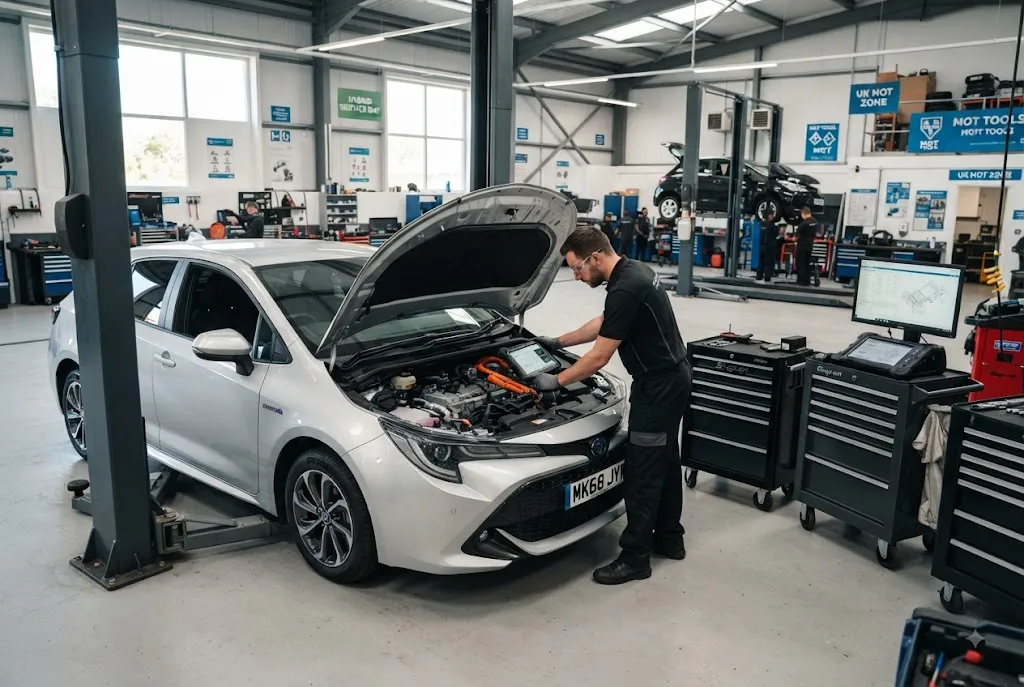
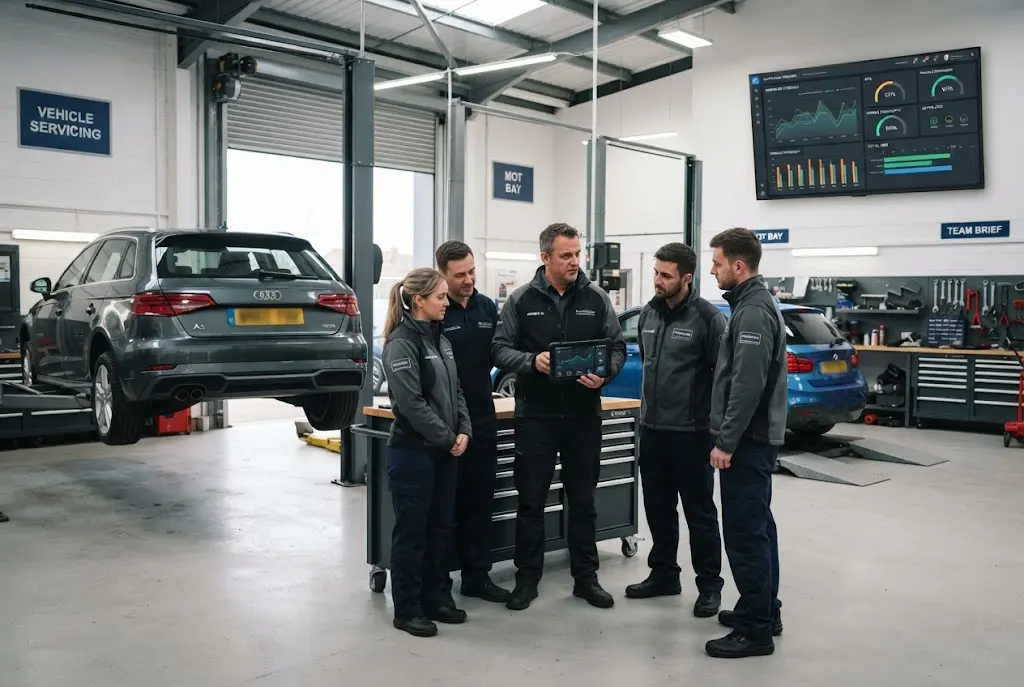
Garage management involves far more than keeping vehicles moving through a workshop. A well-managed automotive business needs to coordinate technicians, service advisors, equipment, customer bookings, parts, inspections and financial performance while maintaining consistent service quality.
For workshop owners and managers, the performance of the team has a direct effect on operational efficiency. Even highly skilled technicians can struggle to perform consistently when scheduling is poor, responsibilities are unclear or important information is difficult to access. A structured management approach helps turn individual technical skills into a more coordinated workshop operation.
What Effective Garage Management Involves
Effective garage management brings people, processes and resources together. The objective is not simply to keep every technician busy. Instead, managers need to understand whether available workshop capacity is being used productively and whether the business is delivering work to the expected standard.
Core management responsibilities can include:
- Planning technician workloads.
- Managing daily workshop schedules.
- Monitoring job progress.
- Maintaining service quality.
- Managing parts and equipment availability.
- Reviewing operational performance.
- Supporting employee development.
- Handling customer-service issues.
- Monitoring workshop profitability.
These responsibilities overlap with broader automotive operations, where processes need to work together rather than being managed as isolated activities.
Build a Clear Workshop Team Structure
One of the foundations of effective garage management is clarity around responsibilities. Technicians, service advisors, managers and support staff should understand who owns each stage of the customer journey.
For example, technicians may be responsible for technical diagnosis and repair documentation, while service advisors manage customer communication and approvals. A workshop manager may coordinate capacity, job progress and quality control.
Clear responsibilities reduce duplicated work and make it easier to identify where a process has broken down. They also give employees a clearer understanding of what is expected from them.
Improve Technician Productivity Without Sacrificing Quality
Technician productivity should not be measured solely by the number of vehicles completed. Automotive work varies significantly in complexity, and rushing technical jobs can create quality problems or repeat repairs.
A more useful approach is to examine productive time alongside quality indicators. Managers can review billed labour hours, available hours, job completion times, rework and customer-related issues together.
If productivity is consistently below expectations, the cause may not be technician effort. Bottlenecks can come from waiting for parts, inefficient vehicle movements, incomplete job information, scheduling problems or unavailable equipment.
Addressing these underlying issues can improve productivity without simply putting additional pressure on technicians.
Use Technician Scheduling More Effectively
Workshop schedules should reflect the actual skills and capacity of the team. Assigning every job to the next available technician may appear simple, but it does not always produce the best result.
Managers should consider technician experience, diagnostic capability, job complexity and expected completion time when allocating work.
A structured technician scheduling process can also make workshop capacity more visible. Managers can identify periods of high demand, upcoming bottlenecks and opportunities to rebalance workloads.
Realistic scheduling is especially important for businesses that also operate a mobile auto service, because field technicians have additional travel and location constraints.
Set Practical Operational KPIs
Operational KPIs give managers a consistent way to understand workshop performance. The right measurements will vary between businesses, but useful indicators can include:
- Technician utilisation.
- Productive and billed labour hours.
- Average job duration.
- First-time completion rate.
- Repeat repair or comeback rate.
- Average repair order value.
- Workshop revenue per productive hour.
- Customer satisfaction indicators.
- Inspection completion rates.
KPIs should be interpreted together rather than treated as isolated targets. For example, increasing billed hours may appear positive, but if repeat repairs also increase, management needs to investigate the underlying cause.
Use Performance Dashboards for Better Visibility
Managers cannot improve what they cannot see. A performance dashboard can bring important workshop information into one place, allowing managers to review current workload, technician performance, outstanding jobs and operational trends.
The value of a dashboard comes from presenting useful information clearly. A workshop does not necessarily need dozens of metrics. A small set of relevant indicators can often provide better visibility than an overloaded reporting system.
Daily information can help managers respond to immediate problems, while weekly and monthly trends can reveal deeper operational patterns.
Make Employee Performance Reviews More Useful
Employee performance should be managed through a combination of measurable results, technical quality and professional behaviour.
A technician who completes a high number of jobs but regularly creates comebacks may require a different type of support from a technician whose technical work is strong but whose productivity is affected by inefficient processes.
Performance conversations should therefore look at context rather than relying on a single number. Managers can discuss workload, training needs, equipment, workflow issues and development opportunities alongside performance data.
This creates a more constructive approach to employee performance and can help identify improvements that benefit both the individual and the workshop.
Develop Strong Workshop Leadership
Workshop leadership plays an important role in maintaining standards during busy periods. Managers need to balance commercial demands with technical quality, employee wellbeing, customer expectations and safe working practices.
Good leadership also involves communicating priorities clearly. When several urgent jobs arrive at once, technicians should know which work takes priority and why.
Managers should also create an environment where technicians can raise operational problems. A recurring delay caused by missing parts or poor job information is easier to fix when employees feel able to report the issue.
Connect Inspections With Team Performance
Vehicle inspections can provide valuable information for both customers and workshop managers. A structured inspection process allows technicians to document findings consistently while giving service advisors a clearer basis for discussing recommended work.
Using auto inspection services as part of the wider workshop workflow can also help management monitor whether inspections are being completed properly and whether additional work is being documented consistently.
Managers should avoid turning inspection metrics into incentives that could encourage unnecessary recommendations. The focus should remain on accurate assessment, clear documentation and appropriate customer communication.
Manage Workshop Pricing Alongside Capacity
Garage management also needs to consider how pricing interacts with technician capacity. A workshop can be busy while still producing weak margins if labour rates, job durations or parts costs are poorly controlled.
Managers can use a structured car service cost framework to understand the relationship between pricing and the resources required to complete common jobs.
Reviewing estimated versus actual labour time can be particularly useful. If certain services consistently take longer than expected, the business may need to update its estimates, investigate workflow problems or review training requirements.
Plan Workforce Capacity Before Problems Occur
Workforce planning helps garages prepare for changes in demand instead of reacting after capacity has already become constrained.
Managers can review historical booking patterns, seasonal demand, technician holidays, training requirements and anticipated changes in service volume. This can help identify periods where additional capacity may be required.
Workforce planning also includes succession and skills development. If only one technician can perform a particular diagnostic procedure, the business may have a significant operational dependency.
Cross-training suitable employees can reduce this type of dependency and make the workshop more resilient.
Use Continuous Improvement to Remove Bottlenecks
High-performing workshops rarely depend on one major operational change. Instead, they improve through a series of smaller adjustments.
Managers can review where vehicles wait, where information is lost, where technicians spend non-productive time and where customer approvals cause delays.
These observations can feed into a structured workflow improvement programme. For example, a workshop might improve its vehicle check-in process, reorganise equipment, introduce digital job records or change how parts are prepared before work begins.
The objective is to remove unnecessary friction from the process while protecting technical quality.
Build Better Communication Between Office and Workshop
Communication problems can quickly become operational problems. A technician who does not receive complete customer information may spend additional time diagnosing an issue that could have been explained during booking.
Similarly, a service advisor who does not receive timely updates may struggle to communicate realistic completion times to customers.
A defined communication workflow can establish when technicians update job status, how additional work is reported and how customer approvals are recorded.
Digital systems can make this information easier to access, but technology should support a clear process rather than replace one.
Review Workshop Performance Regularly
A practical management rhythm can help maintain focus. Daily reviews can address immediate workload and bottlenecks, while weekly reviews can examine productivity, quality and customer issues.
Monthly reviews can then focus on broader financial and operational trends, including labour utilisation, service profitability, repeat work and workforce capacity.
This layered approach prevents managers from relying entirely on end-of-month financial results to discover operational problems.
Final Thoughts on Garage Management
Strong garage management depends on coordinated people, processes and information. Technician productivity, employee performance, scheduling, inspections and operational KPIs all contribute to the overall performance of the workshop.
The most useful management systems do not simply measure employees. They help managers understand why performance changes and where processes can be improved.
By combining realistic workforce planning, clear responsibilities, useful performance dashboards, consistent communication and continuous improvement, automotive businesses can create a workshop environment where technicians have the information and resources they need to perform effectively.
Ultimately, the purpose of management is to create a reliable operating system around the technical expertise already present in the workshop. When that system works well, the business can make better use of its people, improve service consistency and respond more effectively to changing customer demand.
For workshops reviewing their broader operating model, service optimisation provides a useful framework for connecting team performance with customer service and operational efficiency.