

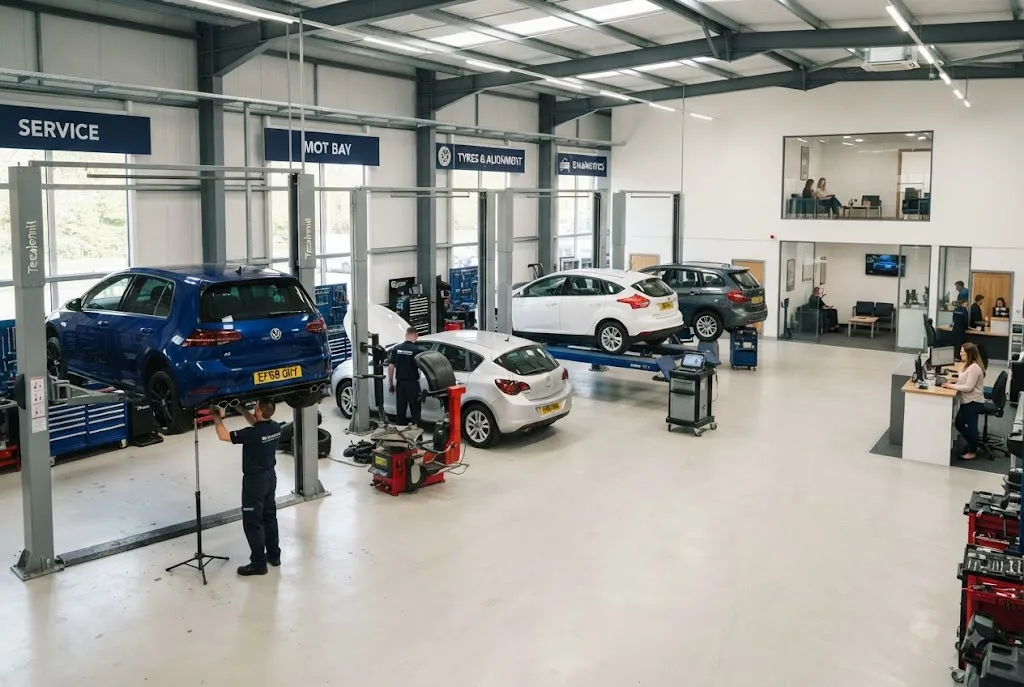
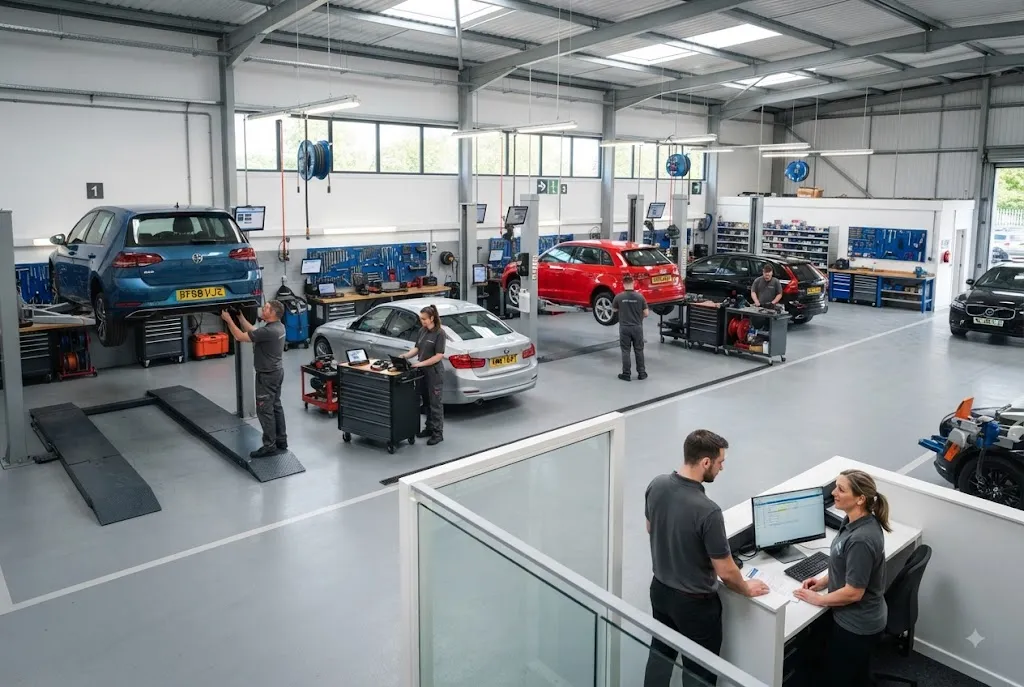
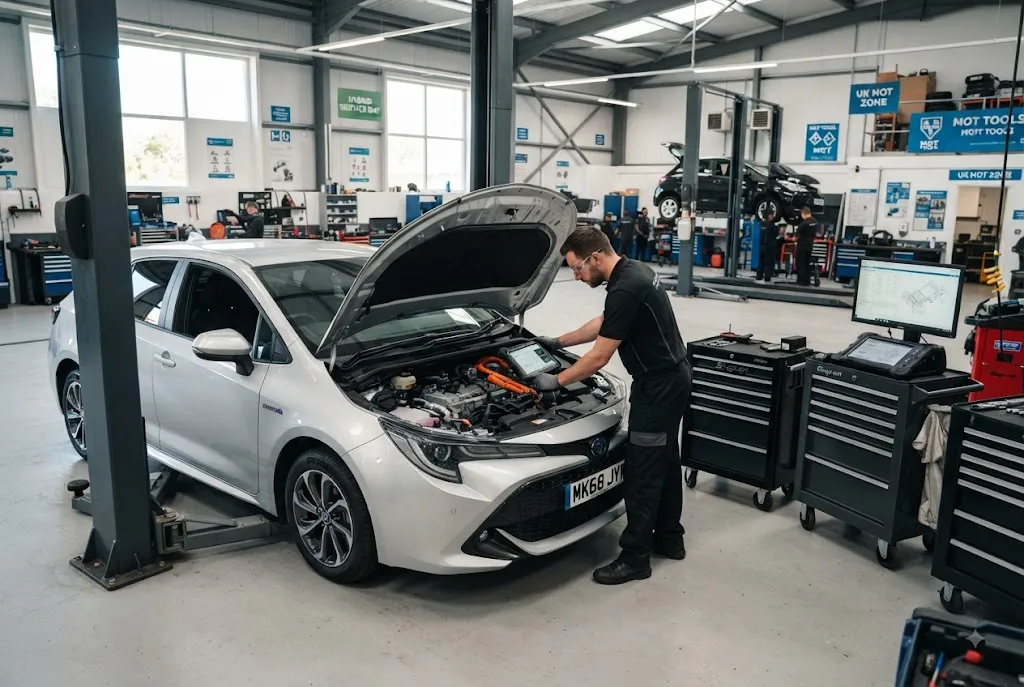
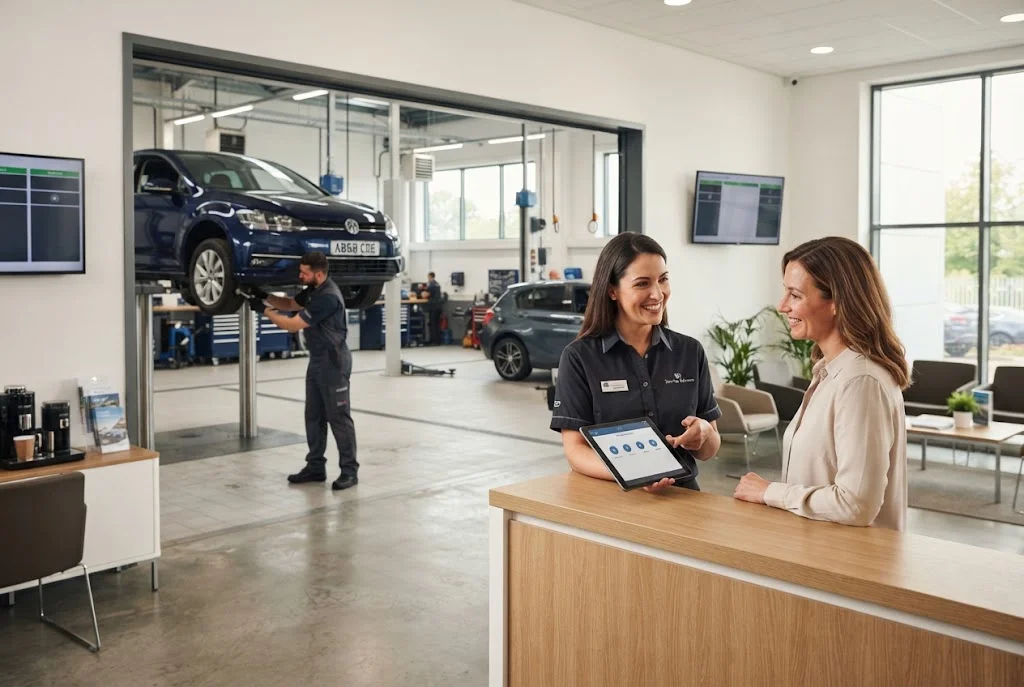
Modern auto care services involve more than repairing or servicing vehicles. Customers also expect clear communication, convenient booking options, understandable information and a consistent experience from their first enquiry through to vehicle collection. For garages and automotive businesses, improving these areas can make everyday operations easier while helping customers feel better informed throughout the service process.
A strong customer experience begins before a vehicle enters the workshop. An organised booking process, accurate job information and realistic expectations can establish a smoother relationship from the start. Once the vehicle arrives, effective communication and reliable service processes help connect the customer-facing team with the technicians carrying out the work.
What Makes Auto Care Services Customer-Friendly?
Customer-friendly auto care services combine technical work with a clear and dependable service experience. The vehicle still needs to receive appropriate inspection, maintenance or repair, but customers should also understand what is happening and what they need to do at each stage.
Several elements contribute to this experience:
- Easy ways to request or book a service
- Clear appointment information
- Accurate vehicle and customer records
- Timely updates during servicing or repairs
- Clear explanations of recommended work
- Transparent approval processes
- Professional vehicle handover
- Appropriate after-service follow-up
These elements work together rather than operating as separate features. A convenient booking system, for example, has limited value if customers then receive poor communication about what happens next.
Improve Customer Experience From the First Booking
The booking stage creates the first practical interaction between a customer and a garage. If customers have difficulty finding available appointments, explaining their requirements or understanding what information they need to provide, frustration can begin before the vehicle reaches the workshop.
A straightforward booking process should capture essential information without creating unnecessary complexity. Depending on the business, this might include vehicle details, requested work, preferred appointment time and relevant customer concerns.
Garages can also connect bookings with their wider auto service garage workflow. This helps ensure that information gathered during booking is available to the team responsible for preparing and completing the work.
Make Online Bookings Simple and Useful
Online bookings can make it easier for customers to request appointments without having to call during a garage’s opening hours. However, convenience depends on how the system is designed.
A useful online booking process should make the available options understandable. Customers should be able to identify the type of service they require, provide relevant vehicle information and receive clear confirmation of the request or appointment.
The booking system should also connect with actual workshop capacity. Offering appointment times that the garage cannot realistically support can create problems later in the service process.
For this reason, online bookings should form part of broader workshop management rather than operating as an isolated customer-facing tool.
Set Clear Expectations Before Work Begins
Customers generally want to know what will happen after they leave their vehicle with a garage. Clear expectations can reduce uncertainty around estimated completion times, communication and additional work.
When a vehicle is booked in, staff can explain the expected process and clarify that the final repair requirements may change if an inspection identifies additional issues.
This distinction is particularly important for repair work. An initial description such as a brake noise or warning light may not reveal the full cause until the vehicle has been properly inspected.
Explaining this possibility at the beginning helps create realistic expectations without making assumptions about the eventual repair.
Use Digital Service Updates to Keep Customers Informed
Customers should not have to repeatedly contact a garage simply to find out whether their vehicle has been inspected or whether work has progressed. Digital service updates can make communication more convenient when used appropriately.
Depending on the systems available, updates can be sent when a vehicle enters the workshop, when an inspection is completed, when additional approval is required or when the vehicle is ready for collection.
These updates do not need to be complicated. The goal is to provide useful information at the right points in the process.
For businesses handling auto repair services, this can be especially valuable when the repair involves multiple stages or when additional work is discovered during diagnosis.
Explain Recommended Repairs Clearly
Technical automotive terminology can be difficult for customers who do not work with vehicles professionally. Clear explanations therefore form an important part of customer service.
When a technician identifies additional work, the customer-facing team should be able to explain what has been found, why the work may be recommended and what the proposed next step involves.
Where appropriate, supporting information such as inspection notes or photographs can help customers understand the issue. The objective should be clarity rather than overwhelming the customer with technical detail.
Customers should also be able to distinguish between work that is necessary or time-sensitive and maintenance that may be recommended for future consideration, based on the professional assessment of the vehicle.
Maintain Consistent Service Standards
Service consistency matters because customers should receive a reliable experience regardless of which member of staff handles their appointment.
Garages can support consistency by documenting common procedures for bookings, vehicle reception, customer updates, approval requests and handovers. These procedures can sit alongside technical workshop processes without dictating how qualified technicians diagnose individual vehicles.
Consistent processes also make staff training easier. New employees can understand the expected customer journey while experienced team members have a common framework to follow.
Connect Customer Communication With Service Operations
Customer communication works best when it is connected directly to workshop activity. If the reception team does not have visibility of job progress, customers may receive vague or outdated information.
A central job record can help solve this problem by keeping relevant details together. Staff can see the current status, technician notes, approval requirements and expected next steps without relying entirely on verbal updates.
This approach also reduces unnecessary interruptions on the workshop floor. Technicians can concentrate on technical work while customer-facing staff manage appropriate communication.
Use Car Service Plans for Ongoing Customer Relationships
Customer service does not have to end when a vehicle is collected. Routine maintenance creates an opportunity for garages to help customers plan future servicing.
For example, car service plans can provide a structured way to manage recurring maintenance, depending on the coverage and terms offered by the provider.
Service reminders can also help customers remember upcoming maintenance requirements. This creates a more proactive relationship than relying entirely on customers to return when they notice a problem.
Any plan or reminder system should still reflect the vehicle manufacturer’s requirements and the individual vehicle’s circumstances. A generic reminder should not replace appropriate professional advice.
Make Vehicle Handover Part of the Service Experience
The final handover is an important part of the customer journey. Once the work is complete, the customer should receive clear information about what has been carried out and any relevant recommendations or next steps.
Invoices and service records should be understandable, while staff should be prepared to answer reasonable questions about the completed work.
If future maintenance is recommended, recording it accurately can help the garage provide useful reminders later. This also supports the broader vehicle maintenance process.
Use After-Service Follow-Up Appropriately
After-service follow-up can help a garage understand whether the customer experience met expectations. A simple message after a completed repair or service can confirm that the customer has received the vehicle and provide an appropriate channel for further questions.
Follow-up can also be useful when a repair involved a particularly complex issue. However, communication should remain relevant and proportionate rather than becoming a stream of unnecessary promotional messages.
Feedback gathered through appropriate channels can help businesses identify recurring issues in their customer service process. If several customers experience difficulty with the same booking step, for example, that process may need to be reviewed.
Support Customer Retention Through Reliable Service
Customer retention is often connected to the overall experience rather than one isolated interaction. Customers may value technical competence, but they also need confidence that the garage will communicate clearly, treat their vehicle professionally and provide accurate information.
Reliable processes can help establish that confidence over time. When bookings, updates, documentation and follow-up are handled consistently, customers know what to expect during future visits.
This does not mean every customer will have identical requirements. Instead, a strong service system provides a consistent foundation while allowing staff to respond appropriately to individual circumstances.
Review the Customer Journey Regularly
Improving customer experience is an ongoing process. Garages can review each stage of the customer journey and identify where unnecessary friction occurs.
Useful questions include:
- Is booking straightforward?
- Do customers receive clear appointment confirmations?
- Can staff quickly access vehicle and job information?
- Are customers updated when the repair status changes?
- Are additional repairs explained clearly?
- Is approval recorded before appropriate chargeable work proceeds?
- Does the handover provide useful information?
- Are future maintenance requirements recorded?
These questions can reveal operational improvements that do not necessarily require major technology investments. Sometimes a clearer procedure or better internal communication can make a significant difference.
Build Better Auto Care Services Around the Customer
Effective auto care services bring together technical quality and a well-organised customer journey. From online bookings and appointment confirmations to digital updates, repair approvals, vehicle handover and after-service follow-up, every interaction contributes to the overall experience.
The most useful improvements are usually those that remove uncertainty without adding unnecessary administration. Customers need clear information, while workshop teams need processes that allow them to concentrate on servicing and repairing vehicles.
By connecting customer communication with workshop operations, garages can create a more consistent service experience. Combined with structured maintenance planning and organised repair processes, this approach can support stronger relationships while making day-to-day service delivery easier to manage.
Ultimately, good customer service in the automotive sector is built through reliable details: accessible bookings, realistic expectations, timely communication, clear explanations and professional follow-through. When these elements become part of the normal workflow, customers can experience a garage as organised and dependable from their first booking to their next visit.