

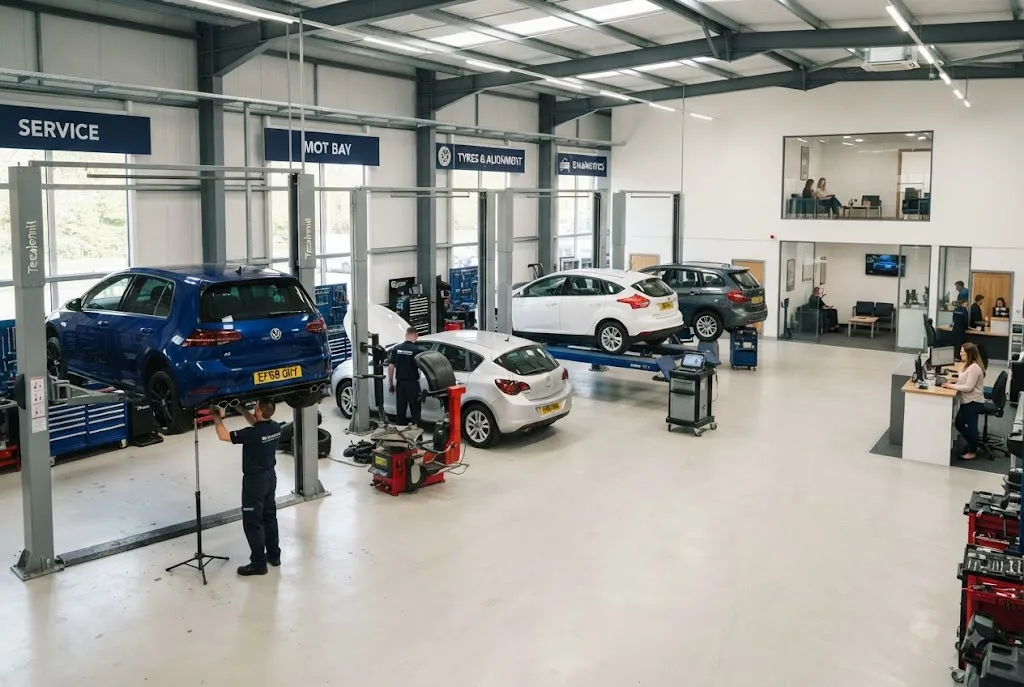
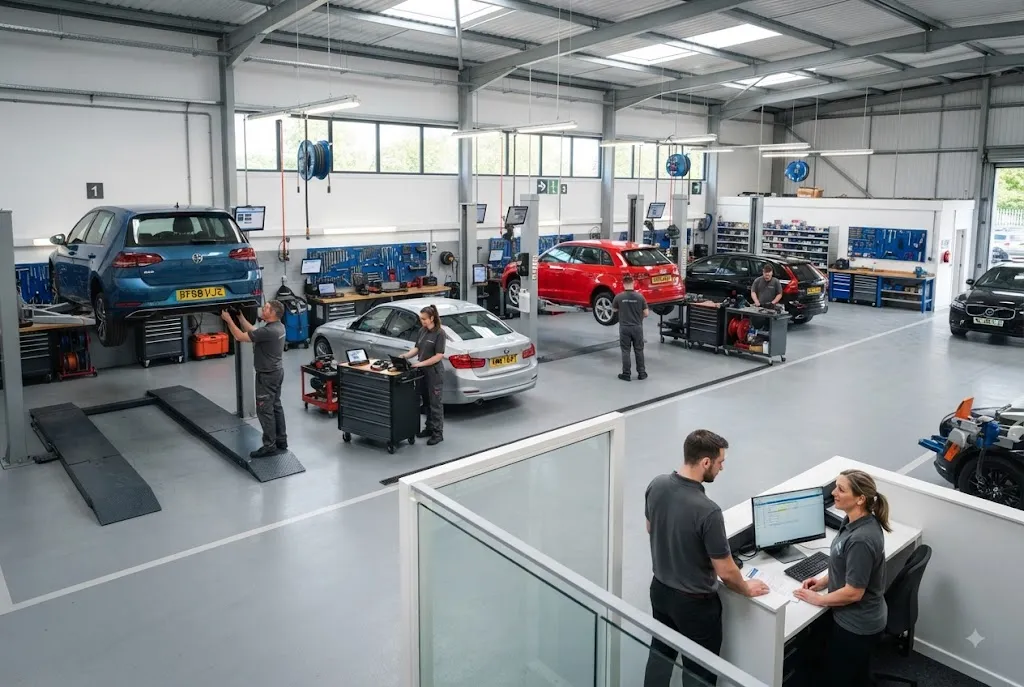
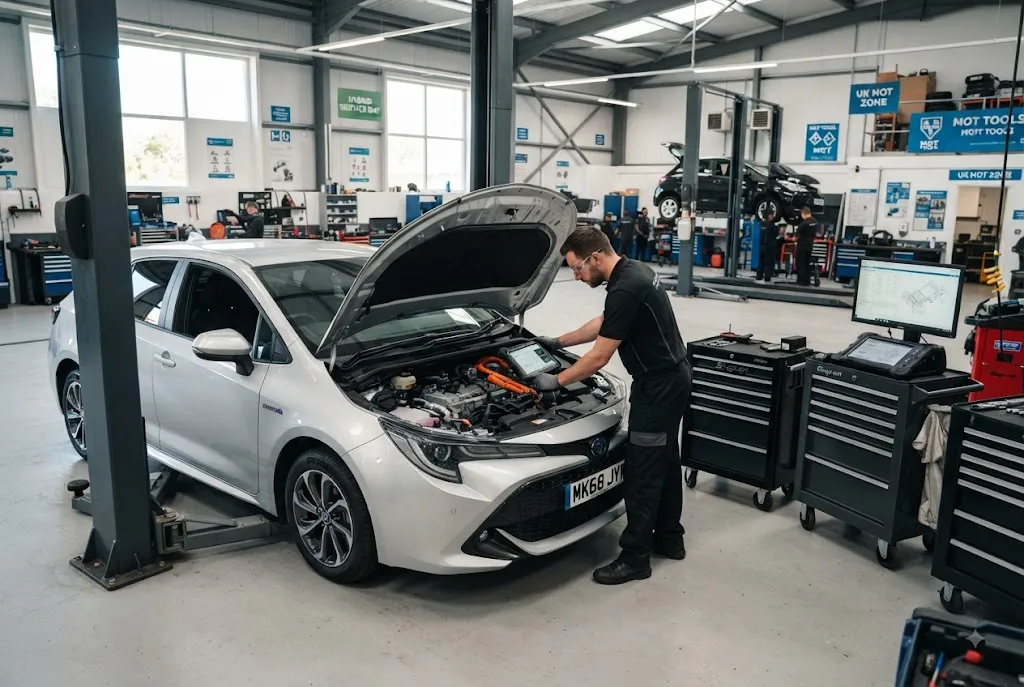
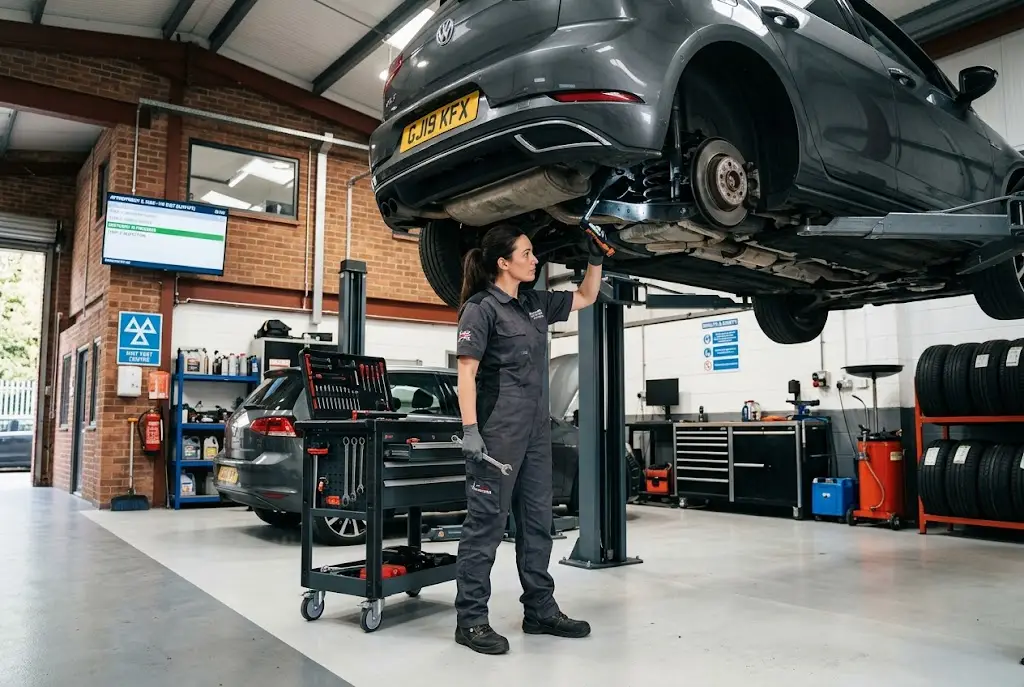
Effective car servicing is about more than completing routine maintenance on time. For garages, the way each job moves through the workshop can have a major impact on productivity, service quality and customer satisfaction. A well-planned workflow helps teams organise bookings, prepare vehicles, allocate technicians, manage inspections and complete work without unnecessary delays.
Whether a garage handles routine vehicle servicing, diagnostics or more complex repairs, a consistent process makes daily operations easier to manage. Instead of treating every appointment as an isolated job, workshops can create connected workflows that provide a clear path from booking through to vehicle collection.
What Makes a Car Servicing Workflow Efficient?
A car servicing workflow is the sequence of steps a vehicle follows through a garage. An efficient workflow gives each stage a clear purpose and reduces unnecessary waiting between tasks.
A typical process may include appointment booking, vehicle reception, initial checks, service allocation, inspection, maintenance work, quality control and final handover. The exact process will vary according to the garage and the type of work being carried out.
The important point is that employees should know what happens next. When responsibilities and handovers are unclear, even straightforward servicing can become unnecessarily time-consuming.
Start With the Booking
The workflow begins before the vehicle enters the workshop. During booking, the garage can collect essential information about the vehicle, the customer’s concerns and the requested service.
This initial information helps the team prepare for the appointment. It can also reduce the chance of discovering basic requirements only after the vehicle has arrived.
Service advisers can record relevant vehicle details, requested work and any known concerns so technicians have useful information when the job reaches the workshop.
Car Servicing and Service Scheduling
Good scheduling is central to efficient car servicing. A garage needs to balance customer demand with available technicians, workshop space, equipment and expected job duration.
Overbooking can create pressure across the entire operation. Vehicles may arrive faster than technicians can process them, creating delays that continue throughout the day. On the other hand, excessively conservative scheduling can leave workshop capacity unused.
A practical schedule should therefore consider the type of service being booked rather than assigning identical time slots to every vehicle.
- Routine servicing may follow a predictable workflow.
- More extensive maintenance may require additional workshop time.
- Diagnostic work can be harder to estimate.
- Additional repairs may extend the original appointment.
- Parts availability can affect completion times.
Using these factors when creating appointments makes the schedule more realistic and gives customers clearer expectations.
Different Types of Car Servicing
Not every servicing appointment involves the same level of work. Understanding the differences between service types can help garages create appropriate workflows and help customers understand what their appointment involves.
Interim Service
An interim service is generally designed for vehicles that need routine maintenance between more comprehensive services. The exact checks and maintenance included can vary according to the vehicle manufacturer and service provider.
Because the scope is typically more limited than a major service, an interim appointment can follow a relatively focused workflow. However, technicians should still document findings and identify issues that may require attention.
Full Car Service
A full car service generally involves a broader set of checks and maintenance tasks than a basic routine inspection. The exact contents depend on the vehicle, manufacturer recommendations and garage procedures.
For workshops, a broader service requires careful preparation. The job instructions should clearly identify the required checks so technicians can work systematically rather than relying on memory.
Major Service
A major service may involve more extensive maintenance and additional checks. Depending on the vehicle and manufacturer’s requirements, the job can require more time, parts and technician involvement.
For this reason, garages should avoid treating major servicing as simply a longer version of a routine appointment. It can require a separate workflow, particularly where parts need to be sourced or additional inspections are expected.
Preparing the Workshop Before the Vehicle Arrives
Maintenance planning can begin before the scheduled appointment. Reviewing the day’s bookings gives workshop managers an opportunity to understand the expected workload and identify potential constraints.
For example, a garage can review which vehicles require specific equipment, whether particular parts may be needed and which technicians are best suited to individual jobs.
This preparation supports the wider auto services system by connecting scheduling with actual workshop capacity.
Preparation also helps reduce avoidable interruptions. When technicians receive complete job information and the required resources are available, they can spend more time working on vehicles rather than searching for information or waiting for instructions.
Creating Clear Technician Workflows
Technicians need clear job information to work efficiently. A service order should communicate what the customer requested, what checks are expected and any relevant information identified during the booking process.
Once the vehicle enters the workshop, the technician can follow a defined sequence of checks and maintenance tasks. This creates workflow consistency and makes it easier to identify anything that falls outside the expected scope.
Clear technician processes can also help service advisers communicate with customers. If additional work is discovered, the findings can be documented and passed through a defined approval process before the work proceeds where customer authorisation is required.
Separate Inspection From Additional Work
One useful workflow principle is to distinguish between identifying a problem and completing additional work. A technician may discover an issue during servicing, but that does not automatically mean the repair should be carried out immediately.
Recording the finding clearly allows the service adviser to explain the situation and obtain the appropriate customer decision. This creates a cleaner process and reduces misunderstandings about what was originally authorised.
Using Digital Tools for Workflow Optimisation
Digital systems can make service scheduling and workflow management easier when they are implemented around genuine operational needs.
A garage may use digital booking tools, workshop management software, electronic inspection reports or automated service reminders. These tools can reduce duplicated administration and make job information easier to access.
However, technology should support the workflow rather than create additional complexity. If employees have to enter the same information repeatedly into different systems, efficiency may actually decline.
The best approach is to identify the workflow first and then determine where digital tools can remove friction.
Quality Control Before Vehicle Handover
Completing the physical service work is not necessarily the final step. A quality-control stage provides an opportunity to confirm that the required work has been completed and that documentation is accurate.
The final process may include checking completed tasks, reviewing technician notes, confirming any customer-approved additional work and ensuring that the vehicle is ready for collection.
This stage supports consistent service quality and can reduce avoidable problems after handover.
For garages developing broader auto repair services, a defined final inspection process is particularly useful because repair jobs can involve several individual tasks and components.
How Maintenance Planning Improves Operational Efficiency
Effective maintenance planning benefits both customers and workshops. Customers can keep vehicles on an appropriate servicing schedule, while garages gain greater visibility of future workload.
Service reminders can encourage customers to book maintenance before it becomes overdue. From the workshop’s perspective, planned appointments can provide a more predictable flow of work than relying entirely on last-minute bookings.
This is also where vehicle maintenance planning connects with workshop operations. Maintenance requirements can influence appointment duration, technician allocation and parts preparation.
A garage that understands its upcoming workload can make better use of available capacity and reduce unnecessary scheduling conflicts.
Reducing Bottlenecks in Car Servicing
Even a well-designed workflow can contain bottlenecks. The key is identifying where vehicles or information regularly stop moving.
Common examples include waiting for customer approval, parts shortages, incomplete job information, limited equipment availability and overloaded technicians.
Managers can review these points regularly and ask whether the problem comes from scheduling, communication or resource allocation. A small adjustment at an early stage may prevent delays later in the process.
For example, identifying likely additional work earlier can give customers more time to make decisions. Similarly, checking parts requirements before an appointment can reduce the chance of a vehicle occupying a workshop bay while waiting for components.
Measuring Service Workflow Performance
Workflow optimisation becomes more effective when garages measure the results of their changes. Useful measures can include vehicle turnaround time, appointment delays, completed jobs, rework and workshop capacity.
These measures do not need to become an administrative burden. Their purpose is to reveal recurring operational problems and provide evidence for improvement.
If a garage consistently experiences delays at one particular stage, managers can examine that stage instead of changing the entire workflow. This targeted approach makes process improvement more manageable.
Building a Better Car Servicing Process
Creating an efficient servicing workflow is an ongoing process. Garages should review how jobs move through the business, listen to feedback from technicians and service advisers, and make practical adjustments when recurring problems appear.
A strong process should be detailed enough to provide consistency but flexible enough to handle genuine differences between vehicles and jobs.
The goal is not to make every service identical. Instead, the goal is to create a reliable framework that allows staff to respond efficiently when a vehicle follows the expected path and when something unexpected is discovered.
Why Efficient Workflows Matter for Modern Garages
Efficient car servicing workflows can improve more than workshop speed. They can strengthen communication, support consistent service quality, make scheduling more predictable and help garages use skilled technicians more effectively.
When booking, inspection, maintenance, customer approval and quality control operate as connected stages, the entire service operation becomes easier to manage.
For garages looking to improve their broader workshop productivity, the next step is often to examine how jobs are allocated and how technicians move through their daily workload. A structured auto service garage workflow can provide a foundation for that improvement.
Conclusion
Successful car servicing relies on more than technical expertise. Efficient workflows connect service scheduling, maintenance planning, technician processes, customer communication and final quality checks into one organised system.
By mapping each stage, identifying bottlenecks and using technology where it genuinely adds value, garages can create more efficient operations without making their processes unnecessarily complicated. The result is a smoother experience for technicians, better planning for workshop managers and clearer service for customers.
For official information about MOT testing and vehicle requirements in Great Britain, motorists can consult the GOV.UK MOT guidance.