

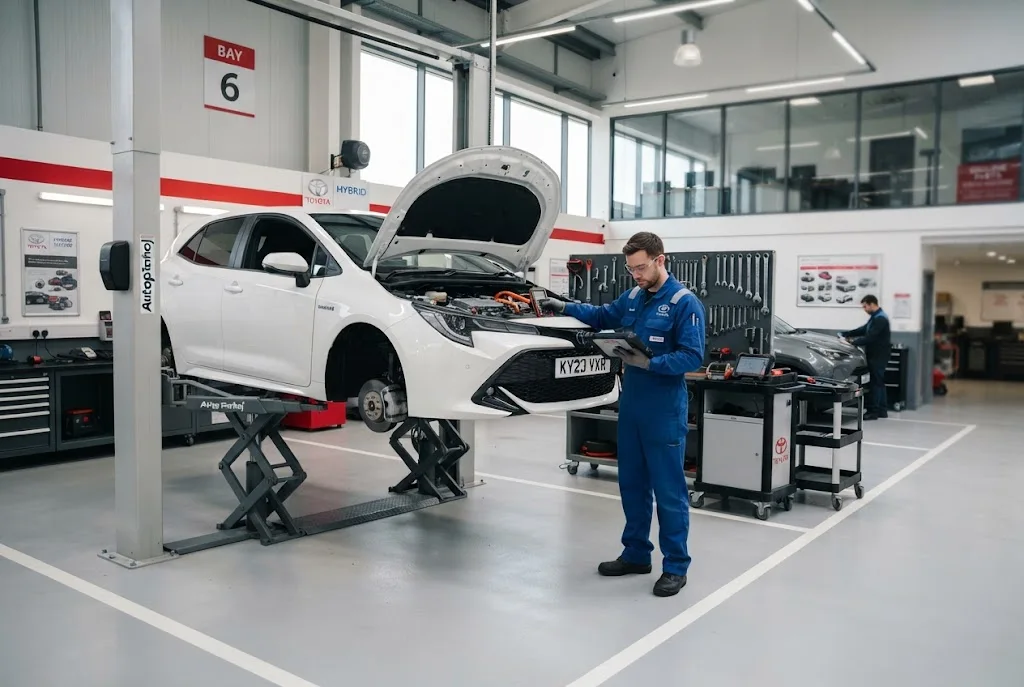
Keeping up with Toyota service is an important part of maintaining a vehicle’s performance, safety and long-term reliability. Whether you own a petrol Toyota, a hybrid model or a commercial vehicle, servicing should be based on the specific maintenance requirements for that vehicle. A clear servicing routine can also make it easier to keep records, plan future work and understand potential ownership costs.
For UK Toyota owners, the servicing process can involve scheduled maintenance, inspections, software-related checks, replacement parts and manufacturer-specific service records. Understanding how these elements fit together helps drivers make better decisions and avoid treating servicing as simply an occasional workshop visit.
What Does Toyota Service Include?
A Toyota service is designed around the maintenance requirements of the particular vehicle. The exact work can vary according to the model, engine, hybrid system, age, mileage and service interval.
Routine servicing can involve checks of important mechanical and safety components, replacement of specified fluids or filters, inspection of brakes and tyres, and other maintenance tasks required by the vehicle’s service programme.
Toyota UK provides model-specific servicing information and explains that its servicing packages are designed around the vehicle’s maintenance requirements. The manufacturer’s service information is therefore a useful starting point when determining what work is due.
A service should also provide an opportunity to identify issues that may not yet be noticeable during everyday driving. Detecting wear or maintenance requirements early can make future repairs easier to plan.
Toyota Maintenance Schedule Explained
The Toyota maintenance schedule provides the framework for determining when routine servicing and other maintenance tasks should take place. Because Toyota produces vehicles with different engines, hybrid systems and specifications, the correct interval should always be checked for the individual vehicle.
Service intervals can depend on both mileage and time. Therefore, a driver who covers relatively few miles should not automatically assume that servicing can be postponed indefinitely.
Following the manufacturer’s recommended schedule also creates a more consistent maintenance history. This can become particularly useful if the vehicle is eventually sold or traded in.
Why Model-Specific Information Matters
A Toyota Yaris, Corolla, RAV4 and Land Cruiser can have very different maintenance requirements. Hybrid vehicles also introduce additional systems that need appropriate checks.
For that reason, generic online servicing advice should not replace the maintenance information applicable to the specific vehicle. Owners should check their vehicle documentation or use Toyota’s official service resources when planning maintenance.
Toyota Service Booking in the UK
Toyota service booking can be arranged through Toyota dealers and the manufacturer’s digital services. Also Toyota UK provides online tools that allow customers to find a retailer and make servicing arrangements.
Before booking, it is useful to have the vehicle registration or relevant vehicle details available, together with the current mileage. Owners should also mention any warning lights, unusual noises, changes in vehicle behaviour or other concerns.
A routine service appointment and a diagnostic investigation are not necessarily the same thing. If a vehicle has developed a specific fault, explaining the problem at the time of booking gives the workshop more useful information.
Planning the appointment around the service schedule can also reduce the risk of maintenance being overlooked. Drivers who use their vehicles heavily may benefit from reviewing upcoming requirements before the next interval is reached.
Toyota Hybrid Service: What Owners Should Know
Toyota hybrid service deserves particular attention because hybrid vehicles combine conventional engine components with an electrified powertrain. Toyota’s hybrid technology has been used across numerous models, but the appropriate maintenance process still depends on the vehicle.
Hybrid servicing should be performed by appropriately trained technicians who understand the vehicle’s systems and safety requirements. Toyota’s UK network provides specialist hybrid-related support for its vehicles.
Hybrid ownership does not mean that conventional maintenance disappears. Components associated with the petrol engine, braking system, tyres, fluids and other vehicle systems still require appropriate attention.
At the same time, hybrid vehicles use regenerative braking, which changes how some braking energy is managed. The exact condition and maintenance requirements of braking components should therefore be assessed as part of the vehicle’s broader service and inspection process.
Hybrid Health Checks
A hybrid health assessment can provide additional information about the condition of the hybrid system. Toyota UK offers hybrid health checks through its authorised network, subject to the applicable vehicle and service conditions.
For owners planning to keep a hybrid Toyota for several years, maintaining appropriate documentation of these checks can provide useful evidence of ongoing maintenance.
Toyota Servicing Cost: What Influences the Price?
Toyota servicing cost is influenced by several factors, so owners should avoid assuming that every Toyota service will have the same price.
The model, age, engine, hybrid system, service type and required maintenance can all affect the amount payable. Additional repairs identified during an inspection can also increase the total cost of a workshop visit.
It is useful to distinguish between a scheduled service and additional corrective work. A service price may cover specified maintenance while a worn component or unexpected fault may require separate work.
Toyota UK publishes servicing information and service offers through its official network. Prices and packages can change, so owners should check the current details for their vehicle and chosen retailer before booking.
Planning Toyota Service Costs
One practical way to manage maintenance costs is to look beyond the immediate appointment. Review the vehicle’s maintenance schedule and identify upcoming work that may require additional budgeting.
This approach is particularly helpful for older vehicles. As a car accumulates mileage, wear-related maintenance can become more significant even when routine servicing remains predictable.
Keeping service records and invoices also helps owners understand what has already been replaced and what may need attention in the future.
Toyota Digital Service History
A reliable Toyota digital service history can make vehicle maintenance information easier to manage and verify. Digital records can help owners understand previous servicing and provide useful information when the vehicle changes hands.
For a used Toyota, service history is an important part of assessing the vehicle. Buyers can use available maintenance information alongside MOT records, mileage, physical condition and other documentation.
However, a digital record should not be viewed in isolation. Owners should retain invoices, repair documentation and other relevant paperwork where available. These documents can provide additional context about work carried out between scheduled services.
Toyota Service Warranty Considerations
Toyota service warranty considerations can be important when planning maintenance, particularly for newer vehicles. Warranty terms and eligibility depend on the vehicle, its age, mileage, service requirements and the conditions of the applicable Toyota warranty programme.
Toyota UK offers warranty programmes with terms that can differ according to the vehicle and servicing history. Owners should check the current manufacturer information rather than relying on general assumptions about warranty coverage.
Servicing should therefore be treated as both a maintenance requirement and part of responsible warranty management. Keeping accurate records can make it easier to demonstrate what maintenance has been carried out if questions arise later.
Service History and Buying a Used Toyota
Service history becomes especially valuable when buying a second-hand Toyota. A buyer may be comparing several vehicles with similar mileage and prices, but their maintenance histories can be very different.
When assessing a used Toyota, consider whether routine services appear to have been completed at appropriate intervals. Look for supporting invoices where available and compare recorded mileage with the vehicle’s current mileage.
For hybrid models, buyers may also want to understand whether relevant hybrid checks and maintenance have been completed. The condition of the vehicle should still be inspected independently because service records cannot reveal every mechanical or cosmetic issue.
This fits into a wider used vehicle assessment process. The same principles apply when dealerships or private buyers evaluate used cars: documentation, inspection, preparation and vehicle condition should all be considered together.
Toyota Maintenance for Different Driving Patterns
How a vehicle is used can influence its maintenance needs. Frequent short journeys, heavy traffic, long motorway trips, towing and high annual mileage can place different demands on a vehicle.
Drivers should therefore follow the manufacturer’s schedule while also paying attention to how their vehicle behaves. A warning light, change in braking performance, unusual vibration or unfamiliar noise should not be ignored simply because the next scheduled service is still some distance away.
Fleet operators face an additional challenge because several vehicles may have different schedules. A central maintenance process can help businesses track servicing requirements without depending entirely on individual drivers to remember appointments.
Creating a Toyota Service Workflow
A simple Toyota service workflow can make maintenance easier to manage for both individual owners and automotive businesses:
- Identify the vehicle and exact specification.
- Check the applicable Toyota maintenance schedule.
- Review previous service and repair records.
- Record current mileage and any known concerns.
- Book the appropriate service appointment.
- Complete scheduled maintenance and agreed additional work.
- Update the vehicle’s service documentation.
- Record the next maintenance requirement.
For dealerships, this process can be connected with vehicle preparation and inventory management. For private owners, it provides a simple way to maintain a clear history over the life of the vehicle.
Why Accurate Service Records Matter
Good records create continuity between servicing appointments. Without them, owners may struggle to establish when important maintenance was completed or whether a particular component has already been replaced.
Accurate records can also help technicians understand the vehicle’s background. This may reduce unnecessary duplication and provide useful context when investigating a new issue.
From a resale perspective, documentation can help demonstrate that the vehicle has been maintained responsibly. It does not guarantee a particular selling price, but it gives potential buyers more information when evaluating the vehicle.
Connecting Toyota Service With Other Manufacturer Processes
Many dealerships and independent automotive businesses manage vehicles from multiple manufacturers. Although the administrative workflow can be standardised, the maintenance requirements should remain manufacturer-specific.
This is why a wider understanding of manufacturer servicing can be valuable. The same dealership may need processes for Toyota alongside Ford service and BMW service.
The central principle remains the same: identify the vehicle correctly, follow the relevant maintenance information, document completed work and keep the next requirement visible.
How to Make Toyota Maintenance More Manageable
Good maintenance does not have to be complicated. The most useful approach is to create a routine that makes upcoming requirements visible before they become urgent.
Owners can keep digital copies of invoices, retain service documentation and make a note of the vehicle’s current mileage after each appointment. Fleet operators can go further by maintaining a central schedule for all vehicles.
It is also worth reviewing the vehicle before each service appointment. Making a note of warning lights, unusual noises, tyre condition or changes in vehicle performance gives the workshop useful information and can prevent separate visits for issues that could have been discussed during the scheduled appointment.
Final Thoughts on Toyota Service
Effective Toyota service is built around the correct maintenance schedule, accurate records, appropriate inspections and timely workshop appointments. The precise requirements vary between Toyota models, so owners should always rely on vehicle-specific information when planning servicing.
For hybrid owners, specialist knowledge and appropriate hybrid checks add another important part of the maintenance process. Meanwhile, service records can support better ownership decisions and provide useful information when a vehicle is eventually sold.
Whether you own one Toyota or manage a larger automotive operation, a consistent service workflow makes maintenance easier to organise. When scheduling, documentation, inspections and future requirements are connected, servicing becomes a proactive part of vehicle ownership rather than something handled only when a problem appears.
