

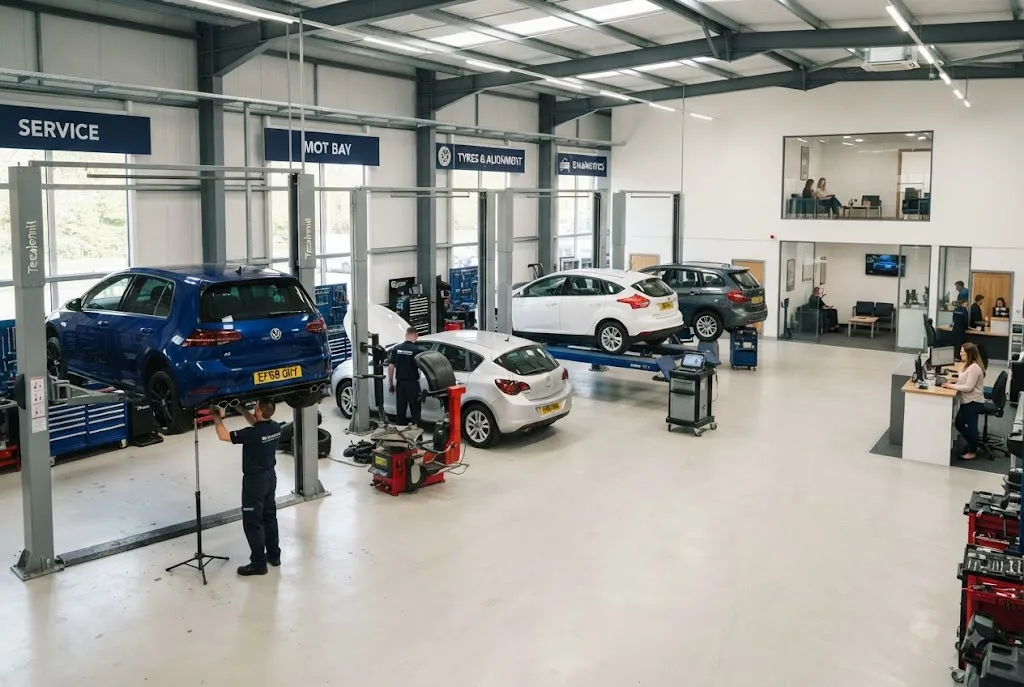
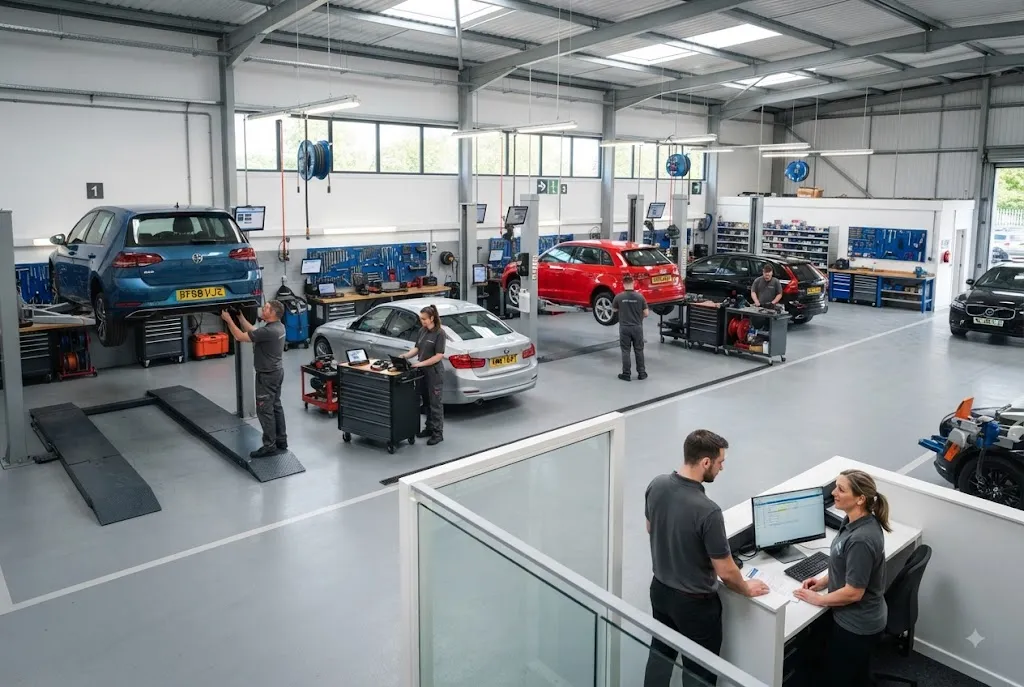
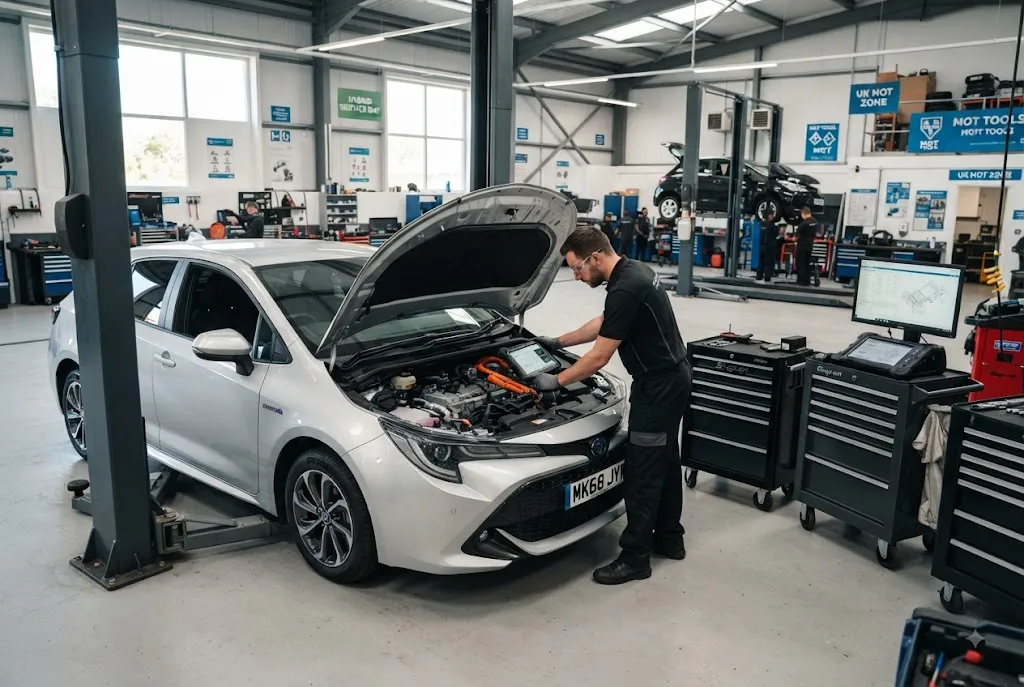

Buying and selling used cars involves far more than finding vehicles and placing them on a forecourt. For dealerships, a successful operation depends on a consistent process covering vehicle sourcing, appraisal, inspections, preparation, pricing, stock control, sales and after-sales support. When these stages work together, dealerships can make better decisions, reduce avoidable delays and create a more reliable buying experience.
A structured approach is especially important in a competitive UK automotive market. Every vehicle entering stock carries its own history, condition, preparation requirements and commercial potential. Treating each one through the same disciplined workflow helps teams identify problems earlier while keeping inventory moving.
Why Used Cars Need a Structured Dealership Workflow
The used vehicle market contains a wide range of ages, mileages, specifications and conditions. Two vehicles of the same model may have very different values depending on service history, previous use, condition and preparation requirements.
That makes consistency important. A dealership workflow should give staff a clear sequence to follow rather than relying entirely on individual judgement. The process can begin with vehicle sourcing and appraisal, followed by documentation checks, physical inspection, preparation, pricing and stock publication.
A well-managed workflow also creates clearer ownership between departments. The purchasing team can focus on sourcing and acquisition decisions, technicians can concentrate on inspections and repairs, sales teams can work from accurate vehicle information, and managers can monitor stock performance.
This operational approach becomes even more useful as a dealership grows. A process that works for a small number of vehicles can become difficult to control when dozens or hundreds of vehicles are moving through different stages at the same time.
Vehicle Sourcing Starts Before a Car Enters Stock
Vehicle sourcing is one of the most important stages of the used vehicle operation. The objective is not simply to acquire vehicles at attractive prices. Dealers also need to consider whether a vehicle fits their customer base, stock profile, preparation capacity and expected retail position.
Potential stock can come through part exchanges, auctions, trade purchases, direct purchases and other established supply channels. Each source can present different levels of information and risk, so the appraisal process should be consistent.
Before committing to a vehicle, teams can consider factors such as:
- Make, model and specification
- Age and mileage
- Service and maintenance history
- MOT history where applicable
- Previous ownership information
- Visible condition and likely preparation needs
- Expected retail demand
- Acquisition cost and anticipated margin
- Time required to prepare the vehicle for sale
Official UK guidance recommends checking information such as the vehicle’s registration details, MOT history, V5C documentation and applicable safety recalls when buying a used vehicle. These checks form an important part of responsible vehicle assessment. GOV.UK’s used vehicle checking guidance provides the official process for consumers and can also help dealerships understand the information buyers are encouraged to verify.
Used Vehicle Inspections Should Be Consistent
Once a vehicle has been acquired or is being considered for purchase, a thorough inspection helps establish its actual condition. The inspection should not be treated as a quick visual check. It should provide enough information for the dealership to understand what the vehicle needs before it can be marketed confidently.
A consistent inspection process may cover the exterior, interior, tyres, brakes, lights, fluids, engine compartment, underbody and general mechanical condition. Technicians can also identify warning lights, unusual noises, damaged components and items requiring attention.
Documentation should be considered alongside the physical inspection. Service records, MOT information and vehicle documentation can help create a clearer picture of the car’s history.
This is particularly important when the vehicle has evidence of previous damage, unusual mileage, incomplete records or other issues that could affect its retail suitability. A structured inspection allows the dealership to make an informed decision about whether to repair, recondition, price differently or reject the vehicle.
Inspection Results Should Feed Directly Into Preparation
An inspection becomes more valuable when its findings are connected to the next operational stage. Instead of keeping inspection notes separately, dealerships can turn identified issues into preparation tasks.
For example, a vehicle may require a service, tyre replacement, cosmetic repair, interior cleaning or mechanical investigation. Recording these tasks clearly allows managers to track what remains outstanding before the vehicle becomes sale-ready.
This creates a smoother transition between workshop and sales teams and reduces the risk of vehicles being advertised before important preparation work is complete.
Inventory Management Keeps Used Cars Moving
Effective inventory management is central to profitable used vehicle operations. A dealership needs to know not only which vehicles it owns, but also where each vehicle is within the sales and preparation process.
A useful stock workflow might include stages such as:
- Vehicle identified for acquisition
- Appraisal completed
- Vehicle acquired
- Documentation verified
- Inspection completed
- Preparation work authorised
- Workshop work completed
- Vehicle cleaned and photographed
- Pricing approved
- Vehicle published for sale
- Customer enquiry or appointment received
- Vehicle sold and prepared for handover
Having defined stages makes it easier to identify bottlenecks. If vehicles repeatedly remain in preparation for several days, management can investigate whether workshop capacity, parts availability, approval processes or external suppliers are causing the delay.
Stock visibility also supports better pricing decisions. A vehicle that has remained unsold for longer than expected may require a review of its price, presentation, specification or sales positioning.
Pricing Used Cars Requires More Than Acquisition Cost
The purchase price is only one part of the financial picture. A dealership should consider the complete cost of preparing a vehicle for retail.
Preparation can include mechanical repairs, servicing, tyres, cosmetic work, valeting, inspection costs, transportation and other operational expenses. These costs can materially affect the expected margin.
For that reason, appraisal teams should consider the likely total investment before acquiring stock. A vehicle that initially appears inexpensive may become less attractive once substantial preparation is included.
Pricing should also reflect the vehicle’s market position, specification, condition, mileage and demand. Strong inventory management gives managers the information needed to review these factors regularly rather than pricing vehicles only once when they first enter stock.
Creating a Better Dealership Workflow
A dealership workflow should connect people, information and physical vehicles. When these elements operate independently, delays and communication gaps become more likely.
For example, the sales team may believe a vehicle is ready when workshop work is still outstanding. A buyer may receive inaccurate information about service history because documentation has not yet been uploaded or checked. A manager may also struggle to understand why a vehicle has remained in stock if preparation and sales data are stored separately.
A connected workflow addresses these problems by establishing clear handover points.
Each vehicle should have a central record containing key information such as acquisition details, inspection results, preparation tasks, service documentation, pricing decisions, advertising information and sales status.
This approach makes it easier for different departments to work from the same information. It also provides managers with a clearer operational view of the dealership.
How Automotive Operations Can Improve Customer Confidence
Customers buying used cars often want confidence that the vehicle has been properly checked and accurately represented. Dealership processes therefore have a direct impact on the customer experience.
Accurate descriptions, clear photographs, documented preparation and accessible vehicle information can all help reduce uncertainty. Staff should also be able to explain the vehicle’s history and preparation without relying on guesswork.
Official guidance advises buyers to check details such as MOT history, V5C information and vehicle recalls before purchasing. A dealership that maintains accurate records can make it easier for customers to understand the vehicle they are considering. The GOV.UK vehicle buying guidance also outlines key steps buyers should consider during a purchase.
Transparency is particularly valuable when a vehicle has unusual characteristics. If a car has had previous repairs, incomplete service records or other relevant history, teams need a clear internal process for identifying and communicating appropriate information.
Using Data to Improve Used Vehicle Operations
Once a dealership has a consistent workflow, operational data becomes much more useful. Managers can review how long vehicles spend in each stage and identify where time or money is being lost.
Useful measures can include acquisition-to-sale time, preparation time, average preparation cost, stock age, enquiry levels and sales conversion. These measures should be considered together rather than in isolation.
For example, reducing preparation time may sound positive, but not if vehicles reach customers with unresolved issues. Similarly, reducing acquisition cost is not necessarily beneficial if the resulting stock has weak demand or requires excessive preparation.
The strongest automotive operations balance efficiency with vehicle quality and customer satisfaction.
Connecting Used Cars With Manufacturer Service Processes
Used vehicle operations often intersect with manufacturer-specific maintenance requirements. A dealership may have vehicles from several brands, each with different service schedules, digital records, workshop procedures and customer expectations.
This is where a broader service strategy becomes useful. Future planning around Ford service, Toyota service and manufacturer servicing can help dealerships build more detailed processes around brand-specific maintenance requirements.
Premium marques can also require dedicated operational planning. For example, a dealership handling BMW vehicles may benefit from understanding BMW service processes when evaluating service records, workshop requirements and preparation needs.
These service workflows should complement rather than replace the core used vehicle process. The dealership still needs consistent appraisal, inspection, preparation, pricing and stock management regardless of the manufacturer’s badge.
Building a Scalable Used Vehicle Operation
The best used vehicle workflow is one that remains practical as stock levels increase. It should be detailed enough to maintain consistency without creating unnecessary administrative work.
Start by defining the essential stages from acquisition through to sale. Then establish who is responsible for each stage and what information must be completed before the vehicle can move forward.
Digital records can make this process easier to manage because updates can be shared between departments. However, technology should support a clear process rather than compensate for an unclear one.
Regular workflow reviews are also valuable. Dealership managers can identify repeated delays, unnecessary approvals, recurring inspection findings and vehicles that consistently take longer to prepare. Small process improvements can then be introduced where they provide measurable benefits.
Final Thoughts on Used Cars and Dealership Operations
Managing used cars effectively requires a coordinated process that begins before acquisition and continues through inspection, preparation, pricing, marketing and handover. Vehicle sourcing decisions, inventory management and workshop activity all influence the final customer experience and commercial result.
A structured dealership workflow provides greater visibility at every stage. It helps teams understand what needs to happen next, gives managers better control over stock and creates a stronger foundation for efficient automotive operations.
As dealerships expand their processes, brand-specific service workflows can then be incorporated without losing the consistency of the wider operation. The result is a more organised approach to used vehicle retail that supports both operational efficiency and customer confidence.