

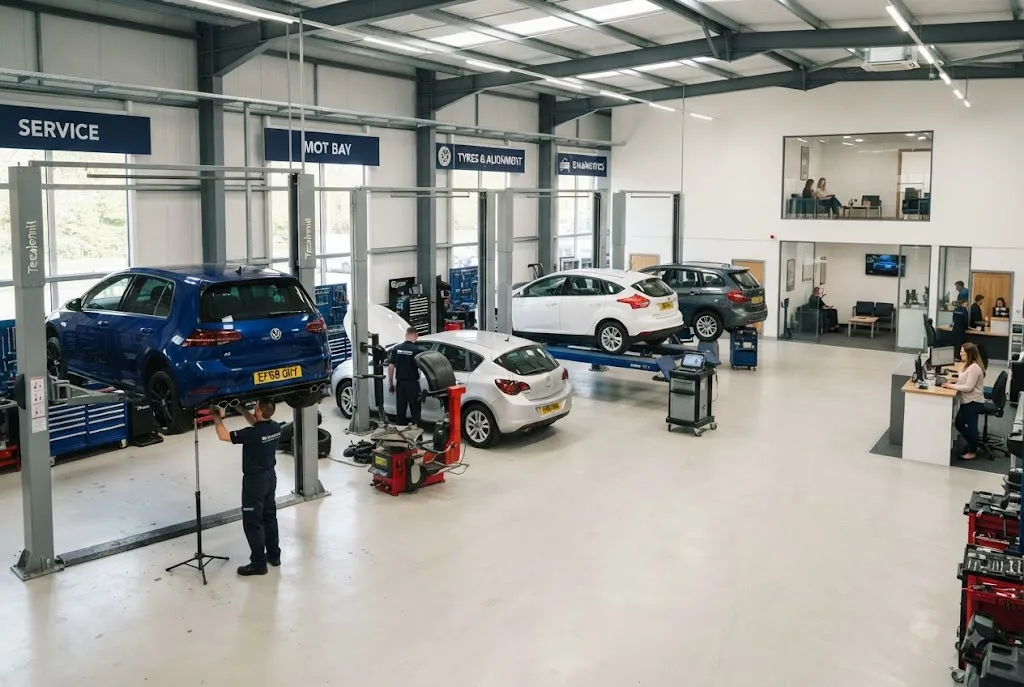
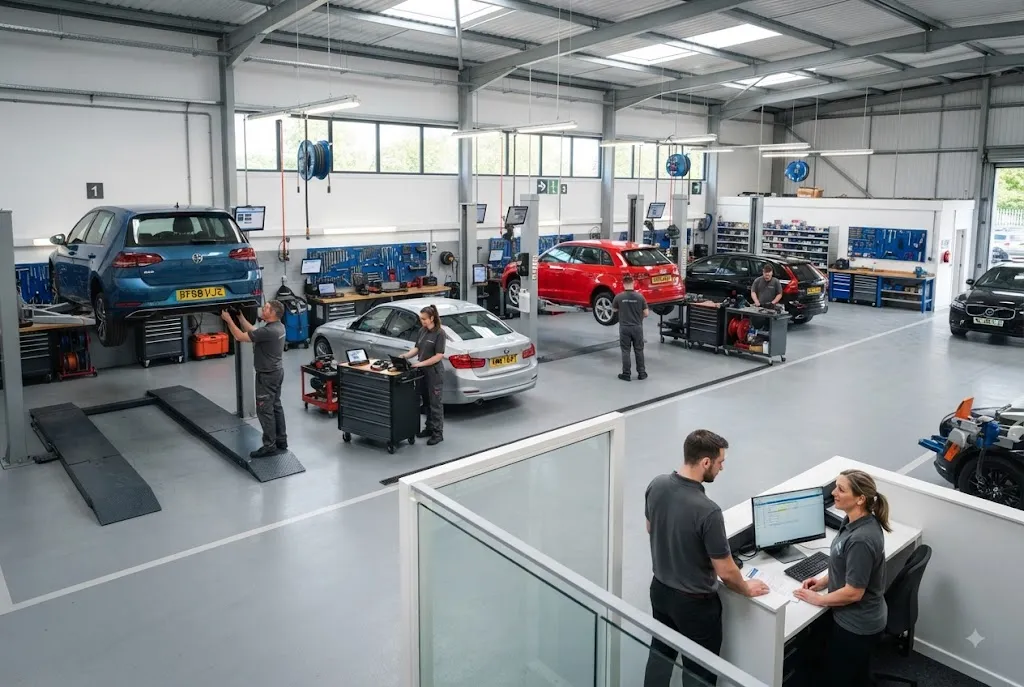
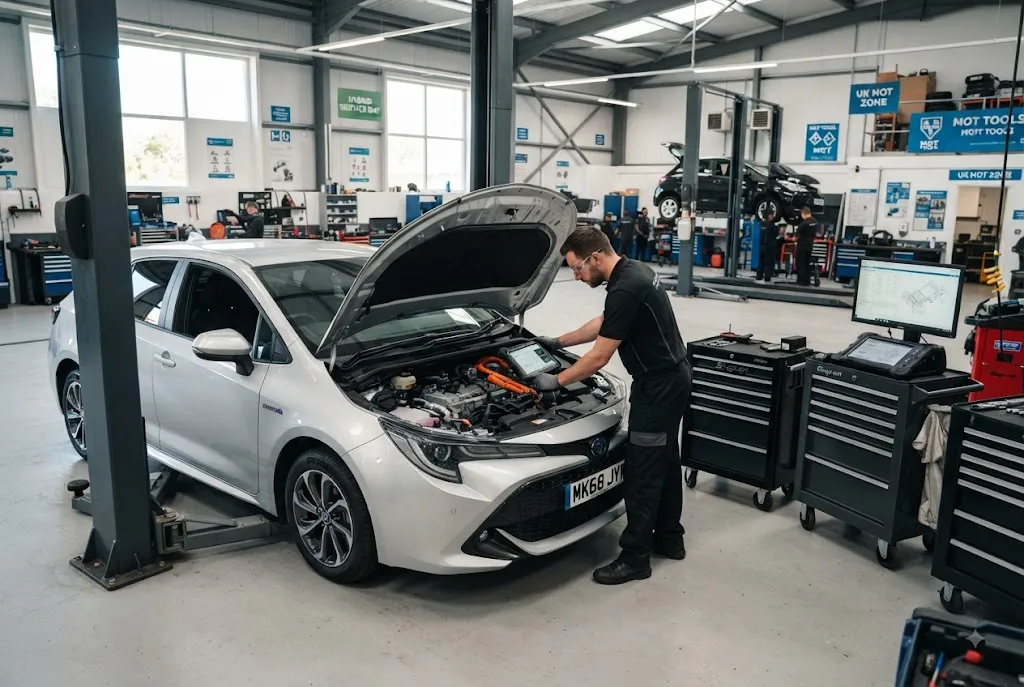
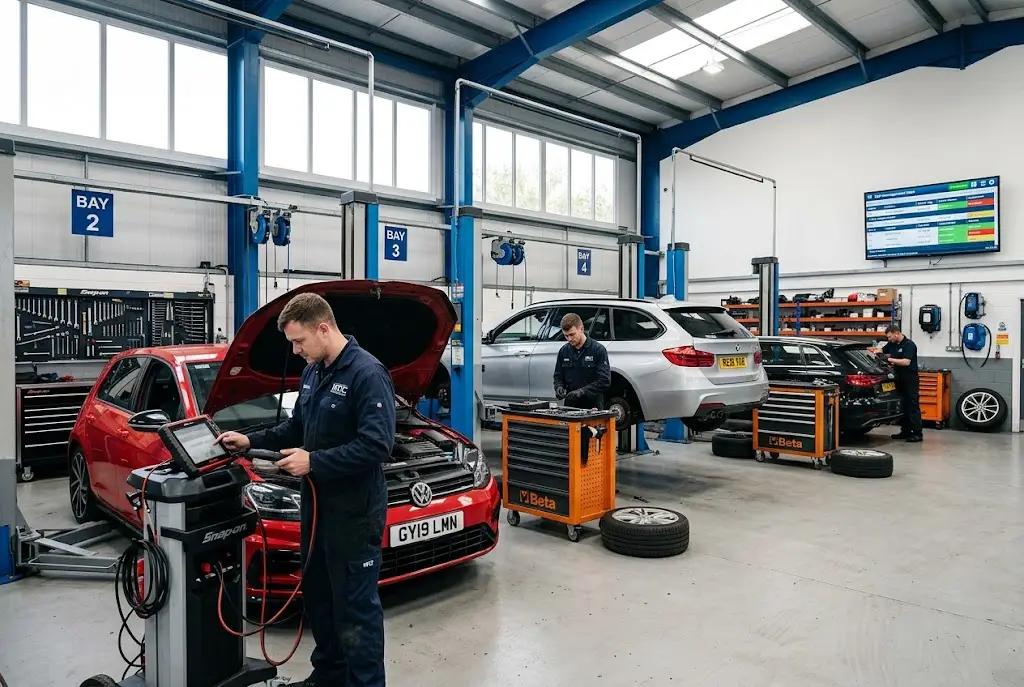
An efficient auto service garage needs more than experienced technicians and good equipment. The way jobs are booked, assigned, inspected, repaired and completed has a direct effect on workshop productivity. When garage operations follow a clear process, technicians can spend more time on productive work while service advisers can manage customers and job progress more effectively.
Modern garages often handle several vehicles at different stages of work at the same time. Without proper workflow management, this can lead to delays, duplicated tasks, unclear responsibilities and unnecessary pressure on staff. A structured operational system helps turn individual jobs into a predictable flow of work.
What Makes an Auto Service Garage Productive?
An auto service garage is productive when its people, equipment, information and available workshop capacity work together efficiently. Productivity does not simply mean completing more vehicles each day. Quality, safety, communication and accurate job completion also need to remain consistent.
A productive garage typically has clear processes for:
- Booking and receiving vehicles
- Recording customer concerns
- Inspecting vehicles
- Allocating jobs to technicians
- Managing repair workflows
- Ordering and preparing parts
- Communicating additional work
- Checking completed repairs
- Preparing vehicles for collection
- Recording service and repair information
These processes create a connected operation rather than a collection of separate tasks.
Why Garage Operations Need Clear Workflows
Garage operations can become complicated when several vehicles require attention at once. One vehicle may be waiting for diagnosis, another for parts, while a third is ready for final inspection. If employees cannot quickly see the status of each job, workshop capacity can be wasted.
A defined workflow gives each vehicle a clear position within the operation. For example, a job might move from booking to reception, inspection, technician allocation, repair, quality control and handover.
This approach connects naturally with broader auto services systems, where scheduling, maintenance and repair processes need to work together rather than operate independently.
Making Job Status Visible
Employees need to know which vehicles are waiting, which are being worked on and which require action from another member of staff. A simple status system can make this information easier to understand.
Whether a garage uses a digital workshop management system or a carefully organised manual process, visibility can help managers identify bottlenecks before they become larger problems.
Improving Technician Efficiency
Technician efficiency is strongly influenced by what happens before a vehicle reaches the workshop bay. Technicians should have access to relevant job information and know what work is expected.
Incomplete instructions can result in unnecessary conversations, repeated checks or delays while service advisers search for additional information. Preparing job information properly allows technicians to focus on diagnosis, maintenance and repair.
An efficient auto service garage should therefore treat information as part of the workflow rather than as separate administration.
Match Jobs to Technician Skills
Not every technician has identical experience, training or familiarity with particular types of work. Where practical, garages can allocate jobs according to relevant skills and available capacity.
This does not mean that every task must be assigned to a specialist. Instead, managers can consider the complexity of a job and the capabilities available within the team.
Better allocation can reduce unnecessary handovers and help technicians maintain a more consistent working rhythm.
Building Better Repair Workflows
Repair workflows should provide a clear path from identifying a problem to completing the authorised work. A vehicle inspection may reveal several issues, but those findings need to be documented and communicated before additional work proceeds.
This is particularly important for auto repair services. A clear process can distinguish between the customer’s original request, the technician’s findings and any additional work that receives approval.
A structured repair workflow can include:
- Confirm the customer’s reported concern.
- Carry out the required inspection or diagnosis.
- Record relevant findings.
- Identify the required repair or maintenance work.
- Check parts and resource requirements.
- Obtain customer authorisation where necessary.
- Complete the approved work.
- Carry out appropriate quality checks.
- Document the completed work.
This structure supports workflow consistency without preventing technicians from applying professional judgement to individual vehicles.
How Process Improvement Helps Workshop Productivity
Process improvement should focus on removing avoidable friction from daily work. A garage does not necessarily need a major operational overhaul. Small changes can produce meaningful improvements when they address recurring problems.
For example, if technicians regularly wait for parts, managers can examine how parts requirements are identified during inspections. If vehicles frequently wait for customer approval, the communication process may need improvement.
Similarly, if service advisers spend too much time locating job information, the garage may benefit from a more consistent documentation system.
These improvements connect with the wider car servicing workflow, particularly when routine maintenance and unexpected repairs need to be managed within the same workshop.
Identify Bottlenecks First
Before changing a process, managers should identify where work actually slows down. A bottleneck might occur at vehicle reception, diagnosis, parts availability, customer approval, technician allocation or final inspection.
Once the problem has been identified, the garage can focus on that specific stage rather than changing processes that are already working well.
Managing Workshop Capacity
Workshop capacity includes more than the number of available technicians. Garage managers also need to consider service bays, diagnostic equipment, tools, parts availability and the time required for different types of jobs.
Overloading the schedule can create a chain reaction. Vehicles arrive faster than the workshop can process them, technicians become stretched, and completion times become harder to predict.
Effective vehicle maintenance planning can help create a more predictable flow by encouraging customers to schedule routine work in advance.
A garage can also review expected job duration when planning daily appointments. A routine maintenance job and a complex diagnostic repair should not necessarily receive the same scheduling assumptions.
Using Service Scheduling More Effectively
Service scheduling should reflect real workshop conditions. When appointment times are based purely on availability rather than job requirements, the day’s workload can become difficult to control.
A more structured schedule considers the expected work, technician availability and workshop resources. It can also leave appropriate capacity for unexpected findings or urgent work.
Digital scheduling tools can make this easier, but the underlying process still matters. Technology cannot compensate for unrealistic appointment planning.
When scheduling is connected with the wider service systems used by the business, managers gain a clearer view of how bookings affect workshop capacity.
Standardising Daily Garage Processes
Standardisation can improve consistency without making the workshop rigid. The purpose is to establish a reliable baseline for tasks that should happen on every relevant job.
For example, a garage may create standard procedures for vehicle reception, initial inspection, job documentation and final quality checks. Technicians can then follow the established process while applying their expertise to vehicle-specific issues.
Standardised procedures are particularly useful when new employees join the team. Instead of learning everything informally, they can work from clearly documented processes.
This also supports repair management by giving employees a common framework for handling repair jobs.
Checklists Can Support Consistency
Checklists can be useful for recurring tasks. They can remind employees to complete essential steps and provide a record that the process was followed.
However, checklists should remain practical. A document that is too long or complicated may become another source of administrative work. The best checklist is usually one that covers important points without slowing down routine operations.
Customer Communication and Garage Operations
Workshop productivity is closely connected to customer communication. When customers understand what is happening with their vehicle, service advisers can manage approvals and expectations more efficiently.
Garages can establish standard communication points throughout a job. These may include booking confirmation, inspection updates, additional repair recommendations and completion notifications.
Clear communication is particularly important when a technician identifies work beyond the original booking. A documented finding allows the service adviser to explain the issue and seek the appropriate customer decision.
This reduces uncertainty for both the customer and the workshop team.
Digital Tools for an Auto Service Garage
Technology can support workshop productivity when it addresses genuine operational needs. Depending on the business, useful tools may include digital booking systems, workshop management software, electronic inspection forms, customer databases and automated service reminders.
Digital records can make information easier to retrieve and reduce the risk of losing paper-based job details. They can also make it easier to monitor job status across the workshop.
However, garages should avoid introducing technology simply for the sake of digitisation. A complicated system that requires excessive data entry can reduce technician efficiency rather than improve it.
The best approach is to identify the operational problem first and then select a tool that solves it.
Using Vehicle Maintenance Planning to Improve Capacity
Planned maintenance can provide garages with a more predictable source of future work. Service reminders can encourage customers to return at appropriate intervals, while advance booking gives the workshop more visibility of upcoming demand.
For an auto service garage, this can make workload planning easier. Managers can anticipate routine service requirements and consider technician availability before appointments are confirmed.
Maintenance planning also helps connect customer care with operational efficiency. A garage that maintains accurate service records can communicate more effectively about future maintenance requirements.
Measuring Auto Service Garage Performance
Workshop productivity should be measured using practical indicators rather than assumptions. Managers can monitor completed jobs, turnaround times, scheduling delays, rework, waiting periods and workshop capacity.
The purpose of these measurements is to identify recurring patterns.
For example, if several jobs are regularly delayed because of customer approvals, the garage can review its communication process. If technicians frequently wait for parts, the business can examine its parts identification and ordering workflow.
Performance information therefore becomes a tool for process improvement rather than simply a collection of numbers.
Reducing Rework and Protecting Service Quality
Productivity should never come at the expense of quality. Completing a vehicle quickly only to discover that work needs to be repeated can create additional labour, inconvenience and customer dissatisfaction.
A final quality-control stage helps protect against avoidable errors. Depending on the job, this may involve reviewing technician notes, confirming completed tasks and checking that the vehicle is ready for handover.
Consistent quality checks can support the broader goal of operational excellence while helping the garage maintain trust with its customers.
Creating a Culture of Continuous Improvement
Efficient garage operations require ongoing attention. Vehicles, technology, customer expectations and business workloads change over time, so processes may need to evolve as well.
Managers can encourage technicians and service advisers to identify recurring problems and suggest practical improvements. Employees who work directly with vehicles and customers often have valuable insight into where processes create unnecessary delays.
Regular workflow reviews can then turn these observations into manageable changes.
The goal is not to redesign the entire operation every few weeks. Instead, the garage should make targeted improvements that produce measurable benefits while protecting processes that already work well.
Connecting Workshop Productivity With Broader Service Systems
An auto service garage operates most effectively when its individual processes support one another. Booking, servicing, vehicle maintenance, repair management, technician allocation and quality control should form part of one connected operational framework.
This broader approach makes it easier to understand how a change in one area affects another. For example, improved scheduling can reduce workshop congestion, while better inspections can reduce delays caused by unexpected repair requirements.
Likewise, standardised repair workflows can make job progress easier to monitor and improve communication between technicians and service advisers.
These connected processes form the foundation of efficient service operations.
Practical Steps for Improving an Auto Service Garage
Garages looking to improve productivity can start with a simple review of their current operation.
- Map the complete journey from booking to vehicle collection.
- Identify stages where vehicles or information regularly wait.
- Clarify who is responsible for each major workflow stage.
- Standardise recurring processes where consistency matters.
- Improve job information before technicians begin work.
- Connect scheduling decisions with actual workshop capacity.
- Use technology selectively to reduce unnecessary administration.
- Measure recurring delays and rework.
- Review processes regularly with workshop staff.
This gradual approach is often more practical than attempting to change every process at once.
Why Efficient Garage Operations Matter
A productive auto service garage is built around clear processes, effective communication and sensible use of workshop resources. When technicians know what work is required, service advisers understand job status and managers can see available capacity, the entire operation becomes easier to control.
Efficient workflows can also create a better customer experience. Clear appointment planning, timely updates and consistent repair processes help customers understand what is happening with their vehicles.
For businesses that want to strengthen their wider vehicle servicing operations, workshop productivity should therefore be treated as part of the overall service strategy rather than as a separate management issue.
Conclusion
Building a productive auto service garage starts with understanding how work moves through the workshop. Clear job information, realistic scheduling, appropriate technician allocation, standardised repair workflows and effective quality control can reduce unnecessary delays while protecting service quality.
The strongest garage operations are not necessarily the most complicated. They are the ones that make responsibilities clear, keep information moving and continuously address avoidable bottlenecks.
By improving processes gradually and measuring the results, garages can create more efficient working environments while delivering a more consistent experience for customers.
For official information about MOT testing requirements in Great Britain, motorists and businesses can consult the GOV.UK MOT guidance.