

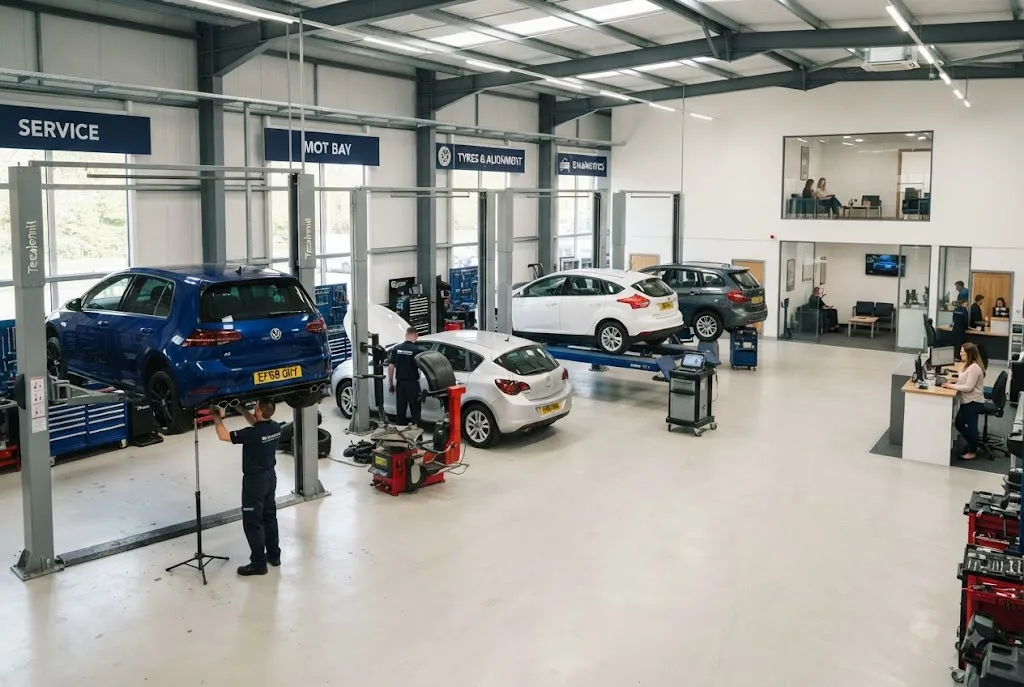
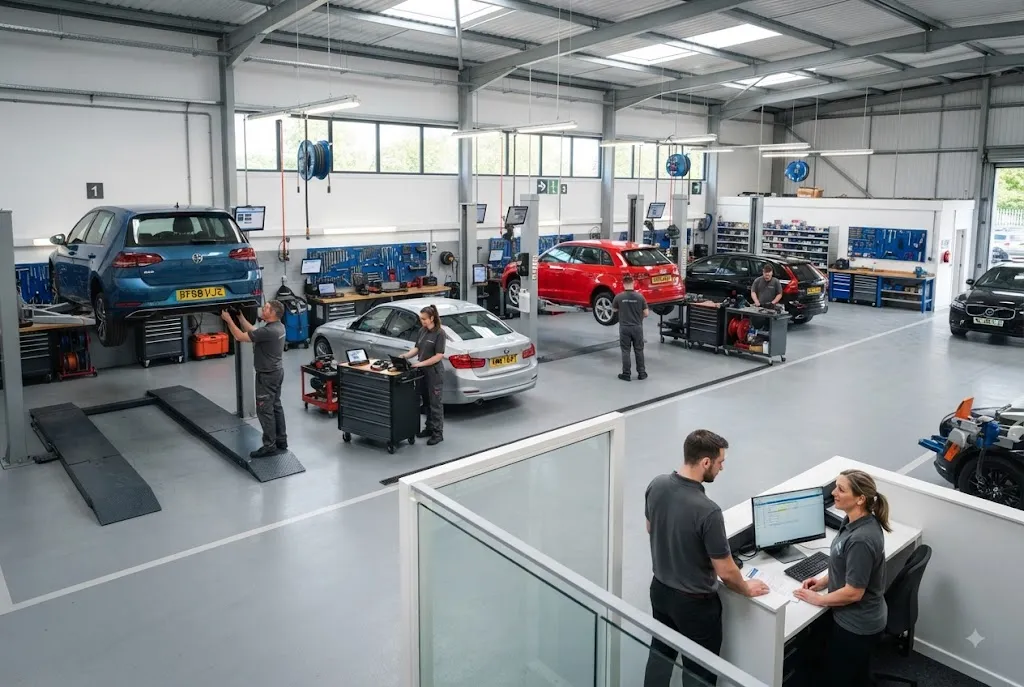
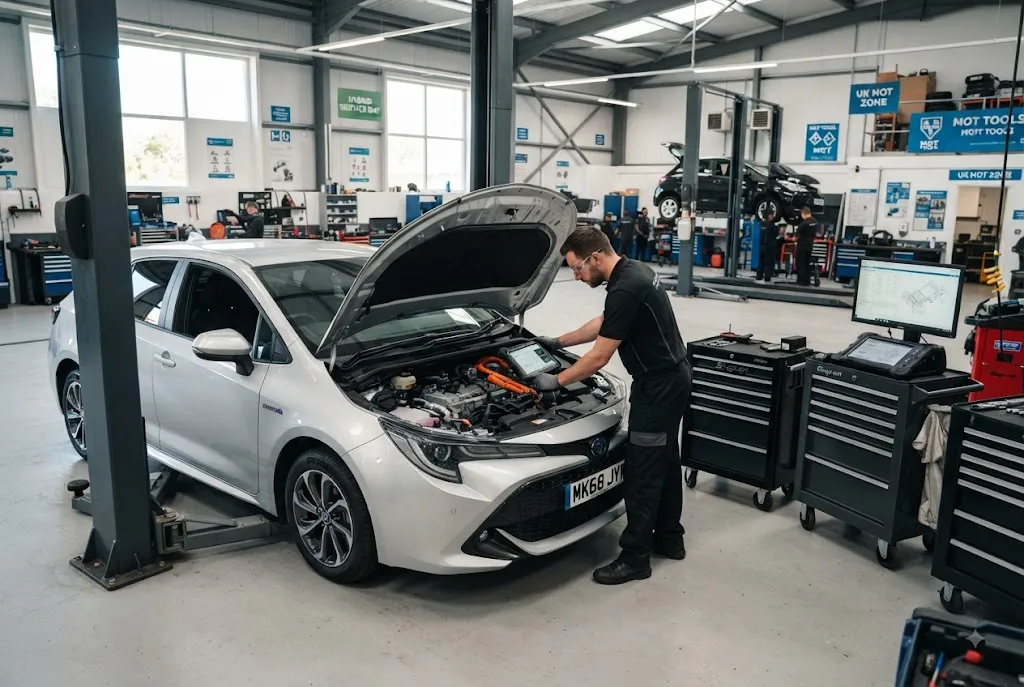
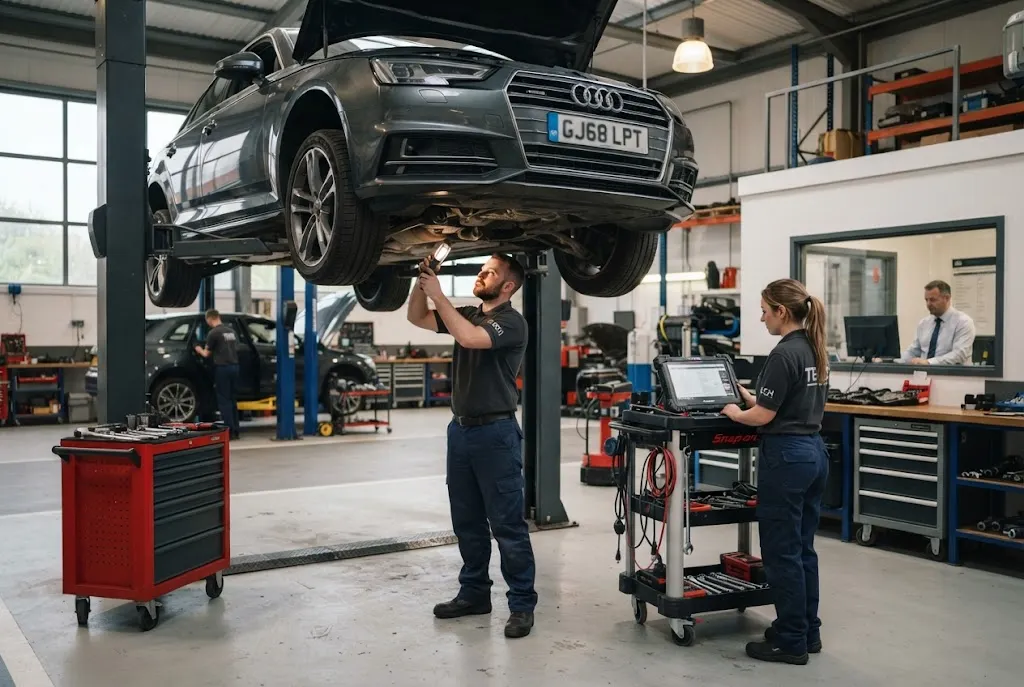
Efficient auto repair services depend on more than skilled technicians and quality equipment. A well-run repair operation also needs a clear process for vehicle reception, diagnosis, repair scheduling, technician allocation, customer approvals, documentation and final quality checks. When these stages work together, a garage can reduce avoidable delays while giving customers clearer information about their vehicles.
Repair work is rarely completely predictable. A diagnostic inspection may uncover additional problems, a required component may be delayed, or a repair may take longer than initially estimated. That is why an effective auto service garage needs a flexible repair workflow that can adapt without losing visibility of the overall schedule.
Why Auto Repair Services Need a Defined Repair Workflow
Every repair begins with a customer requirement, but the process between booking and vehicle collection can involve many separate activities. If those activities are handled informally, information can become fragmented and staff may spend unnecessary time checking job status.
A defined repair workflow gives the team a consistent sequence to follow. It can include:
- Booking and customer information
- Vehicle check-in
- Initial inspection or diagnosis
- Repair estimate and customer approval
- Technician allocation
- Parts and equipment preparation
- Repair work
- Quality inspection
- Customer notification
- Invoicing and vehicle handover
The exact process will vary between businesses and repair types. However, establishing clear stages makes it easier to identify where a vehicle is in the process and what needs to happen next.
Improve Repair Scheduling Before Work Begins
Repair scheduling should account for more than the number of open workshop bays. A vehicle may require a particular technician, diagnostic equipment or specialist tools. Some repairs can also depend on parts arriving before work can begin.
Before confirming a repair slot, the workshop should consider the expected complexity of the job, available technicians, bay capacity and parts requirements. This helps avoid creating a schedule that looks full on paper but cannot realistically be delivered.
Effective scheduling also needs room for unexpected work. Diagnostic findings can change the scope of a repair, so leaving some flexibility in the day’s workload can help the workshop respond without disrupting every other appointment.
Use Technician Allocation More Effectively
Technician allocation is particularly important when a garage has employees with different skills and levels of experience. Assigning every job simply to the first available technician may not make the best use of the team’s capabilities.
Instead, managers can consider:
- The technician’s relevant experience
- The complexity of the repair
- Required diagnostic skills
- Specialist equipment requirements
- Current technician workload
- Expected completion time
This approach can help create a more balanced workload while ensuring that complex jobs are matched with appropriate expertise.
Technician allocation should remain flexible. A workshop manager may need to reassign work when an urgent vehicle arrives or when a diagnosis changes the original requirements.
Strengthen Repair Management With Clear Job Information
Repair management becomes much easier when each vehicle has a clear and up-to-date job record. Technicians should be able to understand what the customer reported, what has already been inspected and what work has been authorised.
Important information may include customer concerns, vehicle details, diagnostic findings, photographs where appropriate, recommended repairs, approved work, parts status and technician notes.
A centralised record reduces the need to rely on handwritten notes or conversations between individual employees. It also gives customer-facing staff better information when a vehicle owner requests an update.
Good information management supports the wider workshop management process by connecting administrative activity with technical work on the workshop floor.
Make Customer Approval Part of the Workflow
Additional repairs are a common source of delay. A technician may discover an issue that was not apparent when the vehicle was booked in. The workshop then needs to communicate the finding and obtain appropriate customer approval before carrying out chargeable additional work.
This stage should have a defined process. Once an additional issue is identified, the information should be documented clearly, the customer should receive an understandable explanation and the approval status should be recorded.
Clear communication can prevent confusion later. It also helps the workshop distinguish between work that has been authorised and recommendations that may need attention at a future service.
Reduce Repair Delays Through Better Parts Coordination
Parts availability can have a direct effect on repair efficiency. A vehicle may occupy valuable workshop space while waiting for a component, or a technician may need to pause a job because the required part has not arrived.
Where possible, parts requirements should be identified early. Once a repair has been diagnosed and approved, the team can confirm availability and expected delivery times before committing the vehicle to a specific repair sequence.
If a part is unavailable, the scheduling team can make an informed decision about whether to continue with another stage of work, move the vehicle to a different slot or communicate a revised completion expectation to the customer.
Use Repair Documentation to Improve Consistency
Repair documentation is valuable for both technical and customer-service reasons. A clear record shows what was inspected, what was repaired and which relevant observations were made during the job.
Documentation can include technician notes, inspection results, parts used, diagnostic information and final checks. The level of detail should reflect the nature of the repair and the garage’s operational requirements.
Consistent documentation also supports future servicing. If the vehicle returns to the same workshop, staff can review previous work rather than starting with an incomplete history.
Build Quality Control Into Auto Repair Services
Quality control should not be treated as an afterthought. Once repair work is complete, the vehicle should go through the appropriate final checks before it is released to the customer.
The specific checks depend on the work performed. A repair involving braking components, for example, requires different considerations from an electrical diagnostic job. The workshop should therefore establish suitable quality-control procedures for common categories of work.
A final inspection can also confirm that the original job requirements have been addressed and that relevant documentation has been completed. This additional stage helps create a consistent service process without encouraging technicians to rush through technical work.
Improve Repair Efficiency Without Sacrificing Quality
Repair efficiency should not mean completing jobs as quickly as possible regardless of circumstances. The objective is to reduce avoidable waiting, repeated administration and poor coordination while maintaining appropriate technical standards.
Several practical improvements can contribute to this:
- Prepare job information before the vehicle enters the workshop.
- Confirm parts availability where possible.
- Match jobs with suitable technicians.
- Keep repair statuses updated.
- Use consistent inspection and documentation procedures.
- Communicate approval requirements promptly.
- Build final quality checks into the workflow.
- Review recurring causes of delay.
These improvements focus on the process surrounding technical work rather than putting unnecessary pressure on technicians.
Connect Repair Scheduling With Service Planning
Not every customer visit needs to begin with an unexpected fault. Planned maintenance can provide garages with a more predictable flow of work and help customers stay ahead of routine servicing requirements.
For example, car service plans can connect recurring maintenance with future workshop appointments. This creates an opportunity to distinguish planned servicing from unexpected repair work when managing the workshop schedule.
A well-organised garage can therefore use service history and upcoming maintenance requirements to improve future planning while still retaining flexibility for urgent repairs.
Use Customer Communication to Support Service Delivery
Customers want to know what is happening with their vehicle, particularly when a repair takes longer than originally expected. Good communication should therefore be integrated into the repair process rather than treated as a separate administrative task.
Useful updates may cover vehicle check-in, diagnostic findings, approval requests, changes to expected completion time and final readiness for collection.
Consistent communication can support a better customer experience and complement broader auto care services. It also reduces the likelihood that customers will need to repeatedly contact the garage simply to ask whether their vehicle is ready.
Review the Repair Process and Identify Bottlenecks
Repair operations improve when managers regularly examine where delays occur. If vehicles frequently wait for customer approval, the communication process may need attention. If jobs repeatedly stop because of unavailable parts, parts planning may need improvement. The If technicians regularly have several unfinished jobs, the scheduling approach may need to be reviewed.
The important point is to identify the underlying process issue rather than assuming that employees simply need to work faster.
Regular reviews can help a garage gradually improve its repair workflow. Small changes to scheduling, documentation, communication or preparation can have a meaningful effect when applied consistently across many jobs.
Create a More Reliable Auto Repair Process
Effective auto repair services depend on coordination from the moment a vehicle is booked until the final handover. A clear repair workflow helps connect scheduling, diagnosis, technician allocation, parts coordination, documentation, quality control and customer communication.
The strongest processes are also flexible enough to deal with the uncertainty that naturally comes with vehicle repairs. A good system does not assume every job will follow an identical path. Instead, it provides clear stages and reliable information so the team can adapt when circumstances change.
By improving the way repair work is planned and coordinated, garages can create a more predictable operation for staff and customers. Combined with structured maintenance planning and accurate vehicle maintenance records, this approach can support stronger long-term workshop performance and a more consistent service experience.