

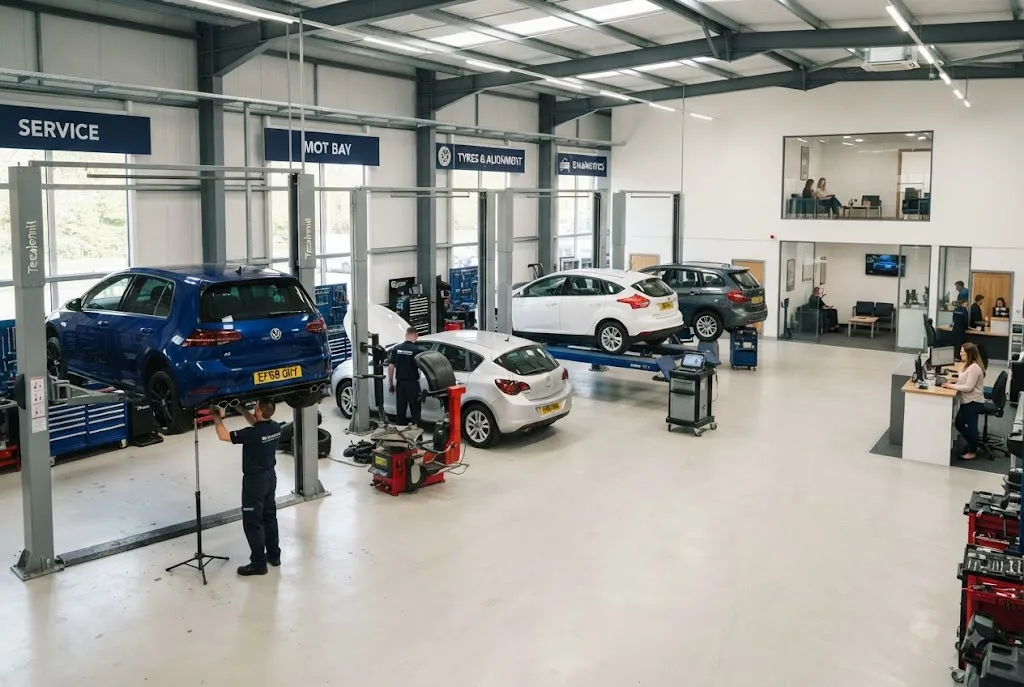
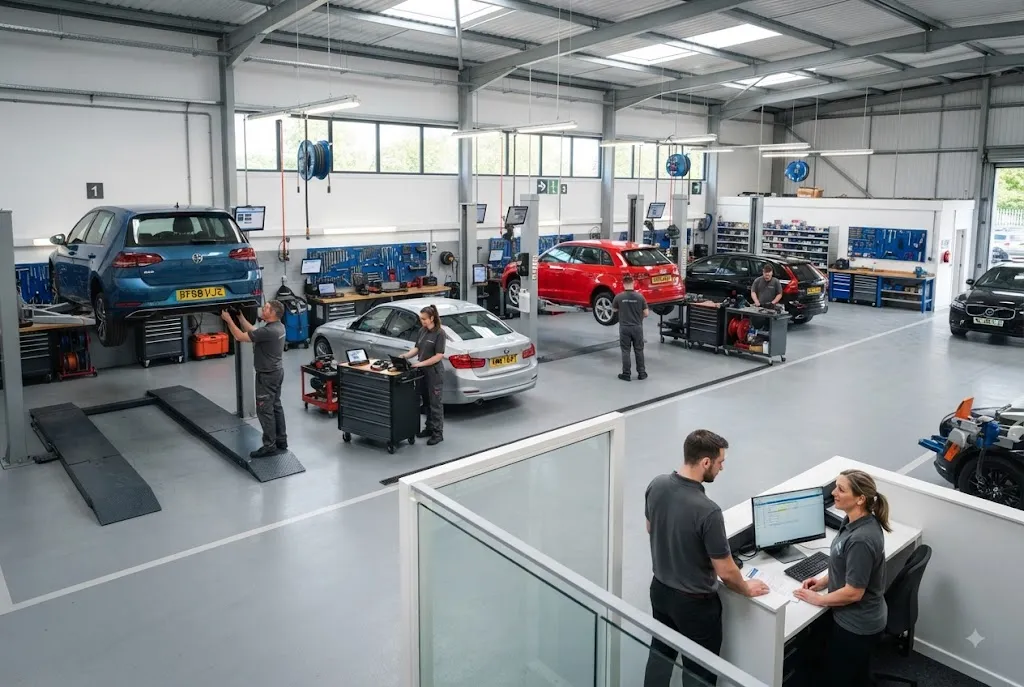
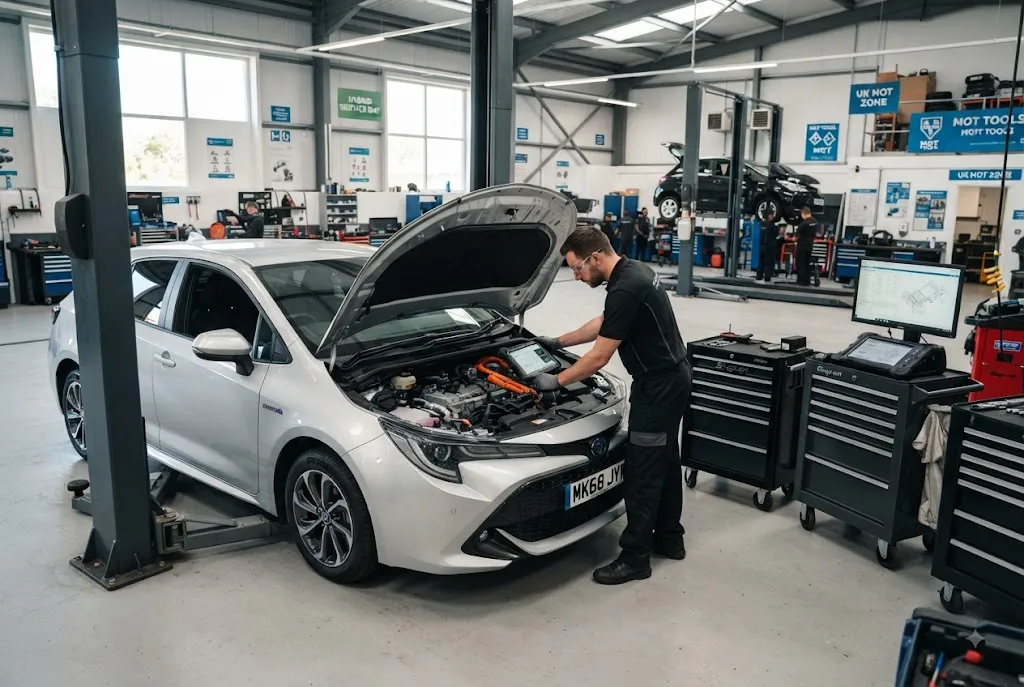
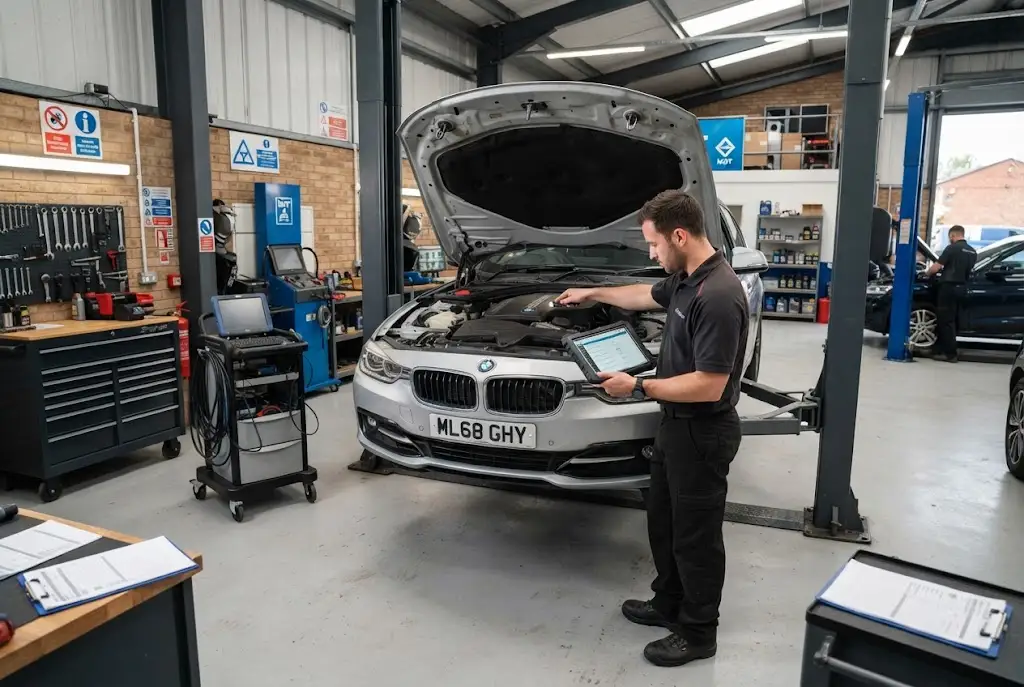
Reliable auto inspection services depend on more than checking a vehicle and reporting obvious faults. For modern automotive businesses, inspections are an important part of the wider service workflow. A well-designed inspection process can help technicians document vehicle condition, identify maintenance requirements, communicate findings to customers and maintain consistent quality across different jobs.
Whether inspections are performed before routine servicing, during diagnostic work or as part of a used vehicle assessment, the process should be structured and repeatable. Digital inspection tools, standardised checklists and clear reporting systems can help workshops reduce missed items while creating a better record of the work performed.
Why Auto Inspection Services Need a Structured Workflow
A vehicle inspection can cover numerous components, from tyres and brakes to fluids, lights, suspension and visible bodywork. Without a defined process, technicians may approach similar inspections differently.
A structured workflow establishes what needs to be checked, how findings should be recorded and when additional work should be escalated. This creates greater consistency without preventing technicians from applying their professional judgement.
For workshops, consistency is particularly valuable when multiple technicians perform inspections. Customers should receive a similar standard of documentation regardless of which technician handles their vehicle.
Build Effective Vehicle Inspection Checklists
Inspection checklists provide technicians with a practical framework for completing assessments. The exact checklist should reflect the purpose of the inspection rather than attempting to include every possible vehicle component on every occasion.
A routine service inspection may include:
- Engine oil and fluid levels.
- Tyre condition and tread depth.
- Brake condition.
- Lights and indicators.
- Windscreen and wipers.
- Battery condition.
- Visible leaks.
- Suspension and steering observations.
- Warning lights or diagnostic concerns.
- General visible vehicle condition.
More specialist inspections can use additional checks appropriate to the job. The important principle is that every inspection type should have a clearly defined purpose and scope.
Structured inspection checklists also make it easier to train new technicians and review whether required inspection stages have been completed.
Use Digital Inspections to Improve Documentation
Paper inspection sheets can work in small operations, but they can become difficult to manage when a business handles a large volume of vehicles. Digital inspections allow findings to be recorded electronically and can make information easier to retrieve later.
A digital inspection may allow technicians to record notes, identify individual vehicle components, attach photographs and classify findings according to their condition or urgency.
This creates a more useful record than a simple statement that a vehicle was inspected. The workshop can retain a clearer history of what was checked and what was identified at the time.
Digital records can also connect inspection information with the wider mobile auto service workflow when technicians perform inspections away from a fixed workshop.
Separate Inspection Findings From Recommended Repairs
One important part of inspection workflow management is distinguishing between what the technician observed and what action may be recommended as a result.
For example, an inspection might identify a tyre with reduced tread depth. The inspection record should document the observed condition, while the service recommendation can explain that replacement should be considered or required depending on the actual condition and applicable safety requirements.
This distinction makes reports clearer and reduces the risk of presenting recommendations as though they were already approved work.
It also helps customers make informed decisions about additional repairs. The customer can see what was found before deciding which work they want the workshop to undertake.
Connect Auto Inspection Services With Repair Pricing
Inspection findings frequently lead to additional maintenance or repair recommendations. For this reason, inspection workflows should connect naturally with the workshop’s pricing process.
Once a technician identifies additional work, the service advisor can prepare an appropriate estimate based on parts, labour and the expected time required. This connects repair pricing with actual vehicle findings rather than relying on generic assumptions.
A structured inspection report can therefore become the starting point for a transparent customer conversation. Instead of simply telling a customer that additional work is required, the workshop can explain what was observed and why the work has been recommended.
This is particularly useful when the workshop uses a broader car service cost framework to maintain consistent pricing across routine maintenance and repairs.
Improve Quality Assurance Through Standardisation
Quality assurance should be built into the inspection workflow rather than treated as a separate activity performed only when something goes wrong.
Standardised inspection stages make it easier for managers to check whether technicians are following the expected process. They can also help identify recurring documentation problems, such as missing photographs, incomplete notes or unchecked inspection items.
Managers can periodically review completed inspections to identify patterns. If one item is repeatedly overlooked, the checklist or training process may need to be improved.
This creates a continuous improvement cycle in which inspection data helps the workshop refine its own processes.
Inspection Scheduling Matters
Inspection scheduling is another important operational consideration. A workshop needs to understand how much time different inspection types require and allocate appointments accordingly.
Short inspections can often be incorporated into existing service bookings, while more detailed assessments may require dedicated technician time. If the schedule consistently underestimates inspection duration, technicians may fall behind and customers may experience delays.
A structured technician scheduling system can help managers allocate realistic time for inspections while considering technician skills and workshop capacity.
Scheduling also becomes important when several vehicles arrive at the same time. The business needs to balance inspections with other workshop activities rather than allowing inspection work to become an unplanned bottleneck.
Create Clear Inspection Reports
A good inspection report should be understandable to both technical and non-technical readers. Customers do not necessarily need detailed mechanical terminology to understand the condition of their vehicle.
Reports should therefore use concise descriptions and clearly distinguish between areas that are satisfactory, items requiring attention and issues that may need more immediate action.
Photographs can be particularly useful where they help demonstrate a visible issue. However, images should support the written report rather than replace meaningful explanations.
Consistent reporting systems can also make it easier for managers to compare inspections and identify recurring problems across vehicles or technicians.
Use Inspection Data for Process Documentation
Inspection records can become part of a broader process documentation system. By recording what was checked, what was found and what action followed, workshops can build a more complete history of vehicle-related work.
This can be useful when a customer returns to the workshop later. Staff can review previous findings rather than starting from scratch.
Process documentation can also support internal training. New technicians can learn how the workshop expects inspections to be performed, documented and escalated.
For larger businesses, consistent documentation becomes even more important because managers may not personally oversee every inspection.
Support Compliance Workflows
Some automotive businesses operate within regulatory, contractual or manufacturer-specific requirements that influence how inspections and records should be handled. The exact requirements depend on the type of service and the organisation involved.
Where formal requirements apply, workshops should identify the relevant obligations and build them into their procedures rather than relying on informal reminders.
A structured compliance workflow can define responsibilities, required documentation and appropriate review stages. This helps ensure that important procedural requirements are less likely to be missed.
For MOT-related work specifically, businesses should follow the official requirements and guidance published by the UK Driver and Vehicle Standards Agency rather than treating a general workshop inspection checklist as a substitute for the statutory process.
Make Inspection Results Easy to Act On
An inspection is most useful when its findings lead to an appropriate next step. A workshop should therefore define what happens after a technician completes the report.
For example, the process might involve:
- Technician completes the inspection.
- Findings are documented clearly.
- Photographs or supporting information are attached where appropriate.
- Service advisor reviews recommendations.
- Customer receives the findings.
- Additional work is quoted where necessary.
- Customer approves or declines recommended work.
- Approved work is scheduled.
- Completed repairs are recorded against the job.
This creates a connected workflow rather than leaving inspection information isolated inside a digital form or paper sheet.
Connect Inspections With Garage Management
Inspection workflow management is closely connected to garage management. Managers need visibility into inspection completion, additional work identified, customer approvals and outstanding recommendations.
Inspection data can also contribute to operational KPIs. A business might monitor inspection completion rates, average inspection duration, additional work identified, customer approval rates or the frequency of repeat findings.
These measurements should be used to understand operational performance rather than encouraging technicians to recommend unnecessary repairs. Quality and accurate documentation should remain central to the process.
Improve Inspection Workflows Through Continuous Review
No inspection process should remain unchanged indefinitely. Vehicle technology, customer expectations, workshop services and internal processes can all evolve.
Managers should periodically review whether the current checklist remains relevant and whether technicians can complete inspections efficiently. If certain checklist items are rarely useful, they may need to be revised. If recurring issues are not being captured, additional inspection stages may be appropriate.
This approach connects naturally with wider workflow improvement initiatives. Small changes to forms, reporting, scheduling or communication can make the overall process easier to manage.
Final Thoughts on Auto Inspection Services
Effective auto inspection services depend on a clear and repeatable workflow. Checklists establish consistency, digital inspections improve documentation, reporting systems make findings easier to communicate and scheduling ensures that inspection work receives realistic technician capacity.
The strongest inspection processes also connect naturally with pricing, repair approvals, workshop management and customer communication. Instead of treating an inspection as an isolated technical task, workshops can use it as an important stage within the wider service journey.
For automotive businesses, the objective should be straightforward: inspect vehicles systematically, document findings accurately, communicate recommendations clearly and maintain a reliable record of the work performed.
When those principles are supported by appropriate digital tools and regular process reviews, inspection workflows can become more consistent and useful for technicians, managers and customers alike.
For official guidance on MOT testing and vehicle testing requirements in Great Britain, workshops should refer to the GOV.UK MOT guidance and the relevant Driver and Vehicle Standards Agency requirements.