

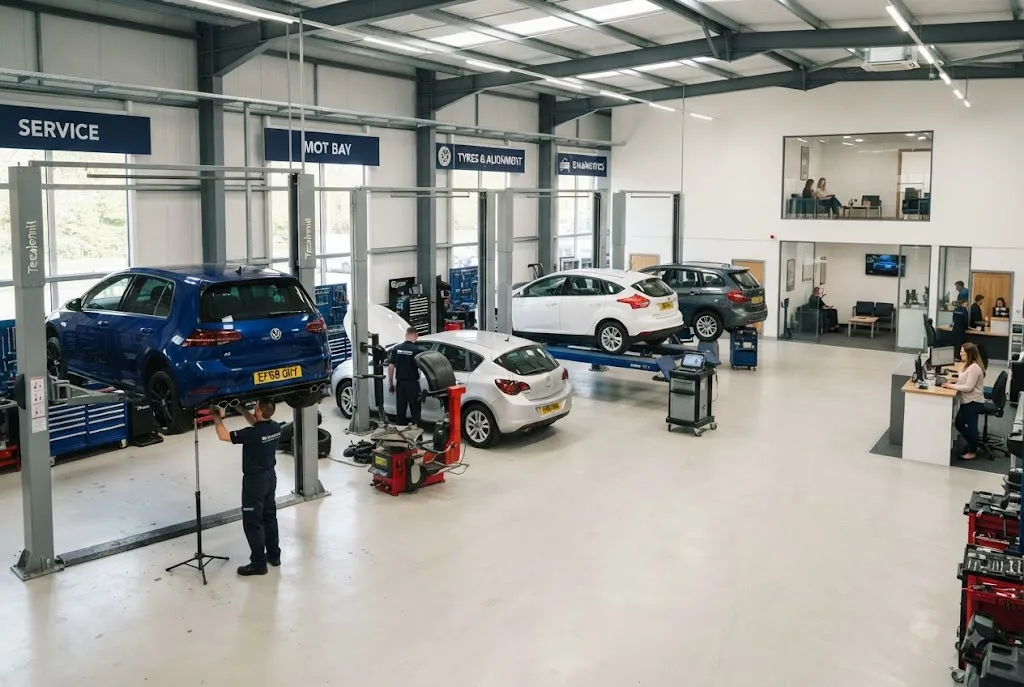
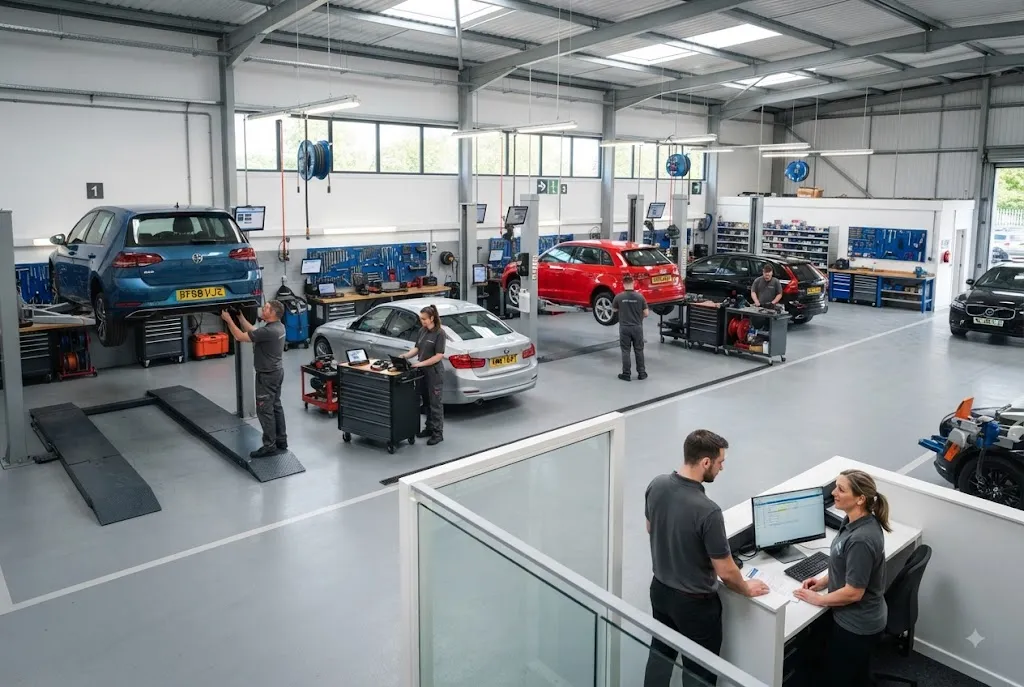
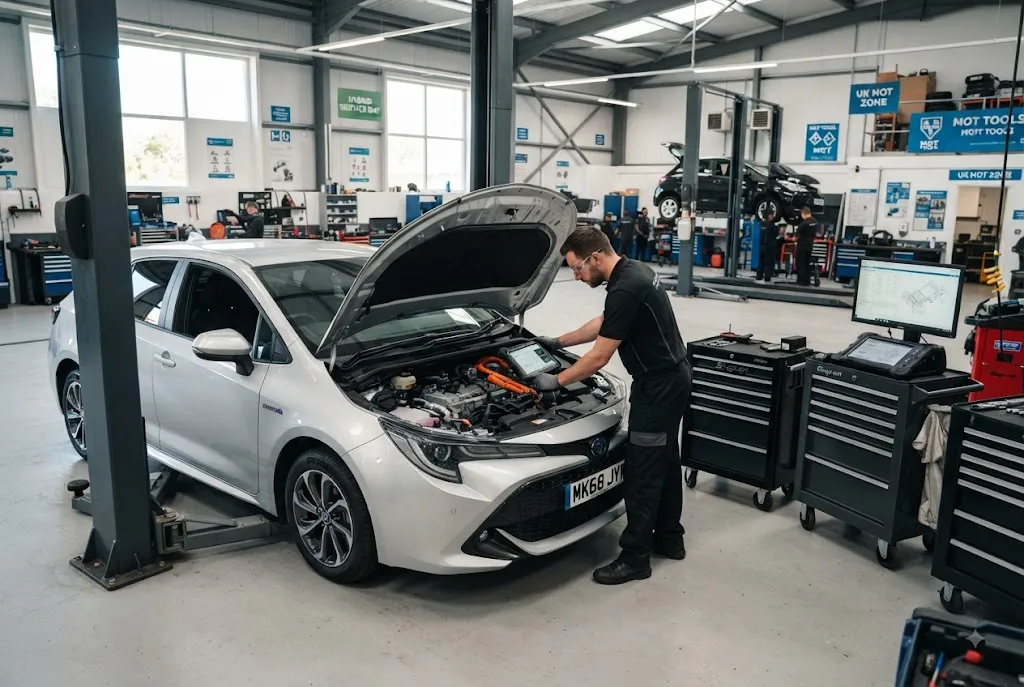
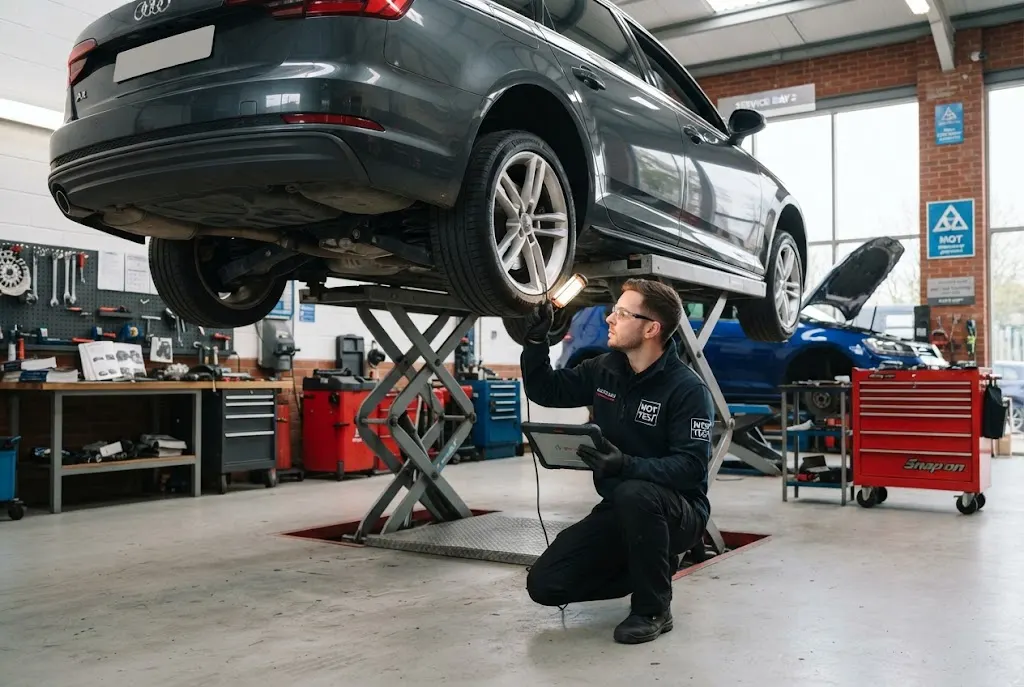
A professional vehicle inspection can reveal important information about a car’s condition before a purchase, repair or major maintenance decision. A structured inspection looks beyond obvious cosmetic issues and can help identify concerns involving tyres, brakes, steering, suspension, bodywork and other important components.
For UK motorists, vehicle inspections can serve several purposes. A buyer may want an independent assessment before purchasing a used car, while an existing owner may need a condition check before approving repair work. Automotive businesses can also use a consistent inspection workflow to document findings and communicate recommendations clearly.
It is important to distinguish a general vehicle inspection from an MOT test. An MOT checks whether a vehicle meets specified legal standards at the time of the test, but it is not a comprehensive assessment of every mechanical component. GOV.UK confirms, for example, that an MOT does not cover the condition of the engine, clutch or gearbox. Official GOV.UK guidance on how the MOT test works explains the scope of the test.
What Is a Vehicle Inspection?
Vehicle inspection is the process of examining a vehicle to assess its condition, identify visible or potential defects and provide useful information about its maintenance or repair needs.
The depth of an inspection depends on its purpose. A basic condition check may focus on visible components and obvious problems, while a pre-purchase inspection can involve a more detailed assessment of the vehicle’s mechanical condition, documentation and signs of previous damage.
A professional inspection should produce findings that are understandable to the customer. Instead of simply listing problems, a useful report should help explain which issues require immediate attention, which should be monitored and which are primarily cosmetic.
Why Vehicle Inspection Matters
Cars can look clean and well maintained while still having issues that are not immediately visible to an inexperienced buyer. Uneven tyre wear, worn suspension components, brake problems, fluid leaks or signs of previous repairs may not be obvious during a short viewing.
An inspection can provide an additional layer of information before a customer commits to a vehicle purchase or authorises substantial repair work.
For automotive businesses, inspections also create a structured starting point for the service process. When technicians document the vehicle’s condition before work begins, they can create a clearer connection between the original findings, recommended repairs and completed work.
Pre-Purchase Inspection for Used Cars
A pre-purchase inspection can be particularly valuable when buying a used vehicle privately or through a seller. The purpose is to identify potential issues that may not be apparent from photographs, a short test drive or the seller’s description.
An inspection may consider areas such as:
- Tyres and wheel condition.
- Braking components and visible brake condition.
- Steering and suspension components.
- Body panels and signs of damage or repair.
- Lights and other visible electrical equipment.
- Fluid leaks and obvious under-bonnet concerns.
- Exhaust and visible structural components.
- General interior and safety-related condition.
The inspection should be treated as an assessment rather than a guarantee about the vehicle’s future reliability. A used car can develop problems after an inspection, even when no significant defect is identified on the day.
Buyers should also consider the vehicle’s documentation and service history alongside an independent inspection. These provide different types of information and are more useful when considered together.
Checking Service History During a Vehicle Inspection
A vehicle’s service history can provide useful context about how it has been maintained. Service invoices, maintenance records and other documentation may help establish whether routine servicing has been carried out and whether significant work has previously been performed.
However, paperwork should not replace a physical inspection. A documented service does not automatically mean that every component is currently in perfect condition.
Similarly, a missing record does not necessarily prove that maintenance never took place. Buyers should consider the available evidence as a whole and ask appropriate questions about gaps or inconsistencies.
Where a vehicle has a substantial maintenance history, connecting the records with current inspection findings can help create a more complete picture of its condition.
What Does a Professional Inspection Check?
The exact inspection process varies between providers and inspection types. For an MOT test, the official inspection manual sets out defined requirements covering areas including identification, brakes, steering, visibility, lamps, wheels, tyres, suspension, bodywork, other equipment and emissions. :contentReference[oaicite:0]{index=0}
A broader vehicle condition inspection may go beyond those MOT requirements depending on the service being purchased.
Brakes
Brake condition is an important part of vehicle safety. A professional inspection may identify visible wear, damaged components, leaks or other concerns that require further assessment.
The official MOT manual contains detailed inspection requirements for brake condition, operation and performance. :contentReference[oaicite:1]{index=1}
Steering and Suspension
Steering and suspension components influence vehicle control, handling and ride quality. During an inspection, technicians may look for excessive play, wear, damage or insecure components.
UK MOT guidance includes checks covering steering gear, steering linkages and related components. :contentReference[oaicite:2]{index=2}
Tyres and Wheels
Tyres should be assessed for tread, visible damage, wear patterns and suitability. Wheel condition can also be relevant, particularly where damage or security concerns are present.
Tyres, wheels, axles and suspension form a defined section of the official MOT inspection manual. :contentReference[oaicite:3]{index=3}
For more detailed tyre maintenance information, drivers can also review our guide to tyre services, including tyre fitting, repairs, replacement and balancing.
Body and Structure
Bodywork inspections can identify damage, corrosion, insecure components and modifications that may affect safety. The MOT manual includes requirements covering body panels, structure, doors, floor areas and other relevant components. :contentReference[oaicite:4]{index=4}
Understanding the Inspection Workflow
A consistent inspection workflow helps automotive businesses complete assessments in an organised manner. It also makes it easier to compare findings between vehicles and technicians.
1. Identify the Vehicle
The first step is confirming the vehicle details and recording information such as registration, mileage and other relevant identifiers. Official MOT procedures include specific vehicle-identification checks. :contentReference[oaicite:5]{index=5}
2. Establish the Purpose of the Inspection
The technician should know whether the customer wants a pre-purchase assessment, general condition report, repair assessment or another type of inspection. The purpose determines the appropriate scope.
3. Carry Out the Inspection
The vehicle should be assessed systematically rather than checked randomly. A defined sequence helps reduce the possibility of overlooking important areas.
4. Record Findings
Technicians should document relevant findings clearly. Where appropriate, photographs can provide additional evidence and make the report easier for the customer to understand.
5. Classify Recommendations
Not every finding has the same urgency. Separating immediate safety concerns from recommended maintenance and cosmetic observations can make the report much more useful.
6. Discuss the Results
The final stage is communicating the findings to the customer. A technician or service adviser should explain the important issues without using unnecessary technical language.
Digital Inspection Reports
Digital inspection reports can make the inspection process more efficient for modern automotive businesses. Instead of relying entirely on handwritten notes, technicians can enter findings into a digital system and attach photographs or other supporting information.
A digital report can provide several practical advantages. It can create a consistent format, reduce problems caused by illegible handwriting and make it easier to share findings with customers.
Digital records can also help connect an inspection with later repair work. If a customer approves a recommended repair, the business may be able to use the original inspection findings as part of the job documentation.
However, digital tools do not automatically improve inspection quality. The underlying inspection process still needs competent technicians, appropriate equipment and clear operational standards.
Quality Assurance in Vehicle Inspections
Quality assurance is essential when inspections are used to support purchasing or repair decisions. Customers need confidence that the assessment was completed systematically and that significant findings were not overlooked.
Automotive businesses can strengthen quality assurance by using standard inspection procedures, technician training, documented checklists and review processes.
Consistency matters as well. Two technicians assessing similar vehicles should follow broadly comparable procedures, even if their individual observations differ.
The official MOT framework demonstrates the importance of defined testing procedures. The DVSA publishes inspection manuals, testing guidance and checklists that establish the processes and standards for authorised MOT testing. :contentReference[oaicite:6]{index=6}
Operational Standards for Automotive Inspections
Clear operational standards can help automotive businesses deliver a more reliable inspection service. These standards might define how vehicles are identified, how findings are recorded, how photographs are captured and how recommendations are communicated.
They can also establish when a technician should request additional investigation. For example, an inspection finding may indicate a possible issue that cannot be confirmed without specialist equipment or further dismantling.
Being clear about these limits protects both the customer and the business. An inspection report should distinguish between what was directly observed and what requires further investigation.
Vehicle Inspection Before Buying a Car
For a prospective buyer, an independent inspection can be useful before completing a used-car purchase. The buyer can use the findings alongside the vehicle’s service history, MOT history, mileage, asking price and other available information.
If the inspection identifies significant issues, the buyer can decide whether to negotiate, request repairs or reconsider the purchase.
For customers buying through an online vehicle marketplace, an inspection can add another layer of due diligence. This is especially useful when the buyer has not physically examined the vehicle before arranging the purchase.
Our wider automotive content also covers the AutoTrader UK marketplace and the digital vehicle purchasing journey, which can be considered alongside independent vehicle checks.
Inspection Reports and Repair Decisions
An inspection should not automatically turn into a list of unnecessary repairs. A professional business should distinguish between safety-critical defects, items that need attention soon and issues that can reasonably be monitored.
This distinction helps customers prioritise spending. Where substantial repair work is genuinely required, a customer may also want to explore available repair finance options and understand the cost before authorising work.
The inspection therefore becomes the foundation for a better-informed repair conversation rather than simply a technical checklist.
Vehicle Inspection for Better Customer Experience
A well-managed inspection process can improve customer confidence because it gives the customer a clearer explanation of the vehicle’s condition. Digital reports, photographs and plain-language recommendations can make technical information easier to understand.
For automotive businesses, the same process can improve internal coordination. Service advisers can see what technicians identified, customers can receive consistent information and repair recommendations can be connected to the relevant inspection record.
That creates a more connected workflow from inspection to quotation, repair approval and final completion.
Final Thoughts on Vehicle Inspection
A professional vehicle inspection can provide valuable information before buying a used car, approving repairs or assessing a vehicle’s general condition. The most useful inspections combine a systematic physical assessment with clear documentation and sensible recommendations.
For buyers, an inspection should be considered alongside service history, MOT information and other available vehicle records. For automotive businesses, a consistent inspection workflow can improve quality assurance, customer communication and operational efficiency.
Digital inspection reports can take this process further by making findings easier to document, share and connect with later repair work. Ultimately, the strongest inspection process is one that is thorough, transparent about its limitations and focused on giving customers information they can use to make better vehicle decisions.